
Automation Software for Manufacturing
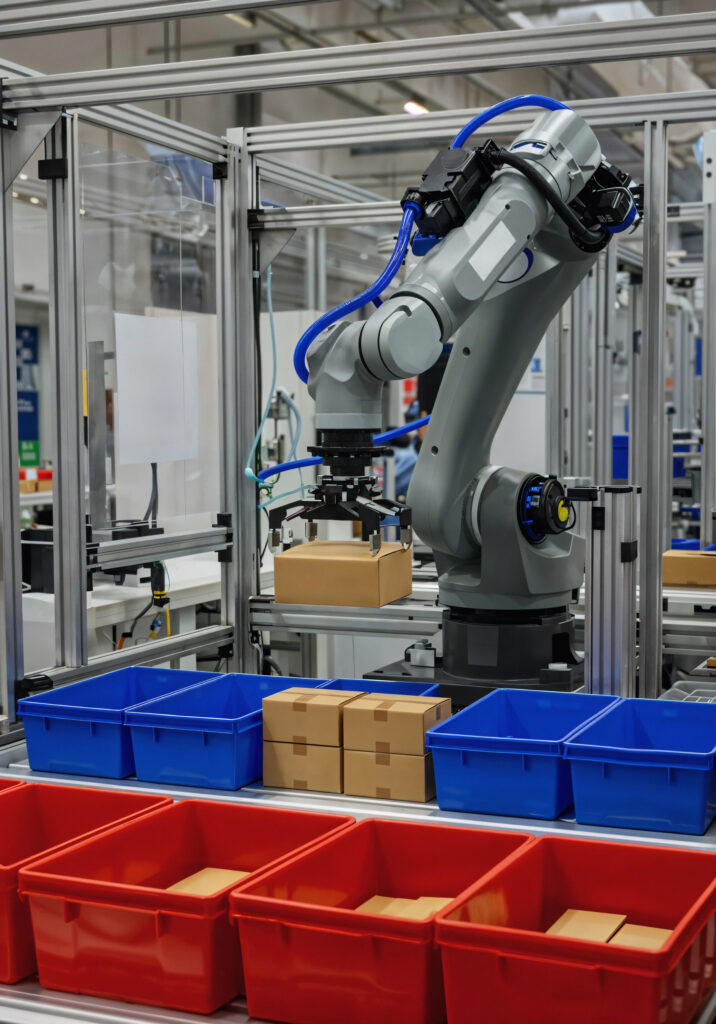
Manufacturing Automation Software: Transforming Production Efficiency Manufacturing has entered a new era defined by connectivity, data-driven decision-making, and advanced automation. At the heart of this transformation is automation software for manufacturing, a powerful solution that enables factories to operate faster, smarter, and more efficiently. From robotic control systems to AI-powered analytics, these platforms integrate with machines, production lines, and enterprise systems to optimize every step of the manufacturing process. This comprehensive guide explains the definition, core components, driving technologies, benefits, key applications, industry leaders, implementation challenges, and future trends of manufacturing automation software. What Is Automation Software for Manufacturing? Automation software for manufacturing refers to computer applications and platforms designed to control, monitor, and optimize industrial processes with minimal human intervention. By connecting directly to machinery, sensors, and enterprise resource planning (ERP) systems, it ensures smooth, efficient, and consistent production. Key functions include: Machine control and scheduling Real-time performance monitoring Quality assurance and defect detection Inventory and supply chain management Predictive maintenance of equipment Core Components of Manufacturing Automation Software Programmable Logic Controllers (PLCs) and Control Systems PLCs form the foundation of factory automation. They execute control logic for machinery and processes, enabling engineers to create, modify, and deploy automation sequences for: Assembly lines Material handling systems Packaging machines CNC machining centers Supervisory Control and Data Acquisition (SCADA) Systems SCADA software provides centralized control over manufacturing facilities, enabling operators to: Monitor equipment status in real time Receive alerts for abnormal conditions Adjust production parameters remotely Analyze historical performance data Popular SCADA solutions include Ignition by Inductive Automation, AVEVA Wonderware, and GE Digital iFIX. Manufacturing Execution Systems (MES) MES bridges the gap between the factory floor and business management systems, helping manufacturers: Track work-in-progress (WIP) Manage production schedules Maintain product traceability Ensure compliance with industry standards Human-Machine Interface (HMI) HMI software provides operators with interactive dashboards to control and monitor machines through: Touchscreen interfaces Customizable controls Real-time operational feedback Multi-language support Technologies Driving Manufacturing Automation Software Internet of Things (IoT) IoT-enabled automation connects machines, sensors, and systems to allow: Remote monitoring Predictive maintenance Energy optimization Real-time analytics Artificial Intelligence (AI) and Machine Learning AI enhances automation by: Detecting defects via computer vision Dynamically optimizing production schedules Predicting equipment failures Reducing energy usage with intelligent algorithms Robotics Integration Automation software coordinates industrial robots for tasks like assembly, welding, painting, and material handling. Cloud and Edge Computing Cloud-based platforms manage multi-site data, while edge computing processes critical data locally for faster decision-making. Digital Twins A digital twin is a virtual replica of a manufacturing process, enabling simulation, optimization, and troubleshooting without halting actual production. Benefits of Automation Software for Manufacturing Increased Productivity: Continuous, 24/7 operation without additional labor costs. Consistent Quality: Uniform production standards and reduced defects. Lower Operational Costs: Optimized workflows, reduced waste, and efficient resource use. Faster Time-to-Market: Shorter production cycles and quicker deliveries. Improved Safety: Automation in hazardous environments reduces worker risks. Data-Driven Insights: Continuous monitoring for informed decision-making. Use Cases Across Manufacturing Sectors Automotive: Robotic assembly line management, precision welding, and parts supply coordination. Electronics: Automated optical inspection for PCB quality, MES for scheduling. Food and Beverage: Automated mixing, packaging, and hygiene compliance. Pharmaceuticals: Precision dosage control, cleanroom environment maintenance, and compliance tracking. Textiles: Automated dyeing, cutting, and quality assurance systems. Leading Vendors and Platforms Siemens: TIA Portal, SIMATIC WinCC, Opcenter MES Rockwell Automation: FactoryTalk, Arena Simulation, RSLogix Schneider Electric: EcoStruxure Machine Expert Mitsubishi Electric: GX Works, MELFA Robot Controller ABB: RobotStudio, Ability Manufacturing Operations Management Honeywell: Experion PKS Emerson: Plantweb Digital Ecosystem Challenges in Implementing Automation Software Integration with legacy systems requiring upgrades Cybersecurity risks from increased connectivity High initial investment costs for software and hardware Shortage of skilled automation engineers Change management and workforce training needs Future Trends in Manufacturing Automation Software AI-Driven Optimization: Self-learning systems for real-time adjustments. Augmented Reality (AR) Maintenance: AR-guided repair and training. Collaborative Robots (Cobots): Human-friendly robots for shared workspaces. Open-Source Frameworks: Increased customization and system interoperability. Sustainable Automation: Energy-efficient algorithms for eco-friendly production. Blockchain Integration: Transparent, secure supply chain tracking. ConclusionAs global competition intensifies, automation software for manufacturing is no longer optional—it’s essential. By adopting advanced solutions that integrate AI, IoT, robotics, and cloud computing, manufacturers can achieve unmatched efficiency, quality, and adaptability. Those who invest today will secure a competitive edge in the era of smart manufacturing.
Defense System Solutions

The landscape of global defense has evolved dramatically in recent decades, driven by the rise of asymmetric threats, technological disruption, and the increasing complexity of modern warfare. In this context, defense system solutions play a central role in securing national interests, safeguarding borders, and maintaining global stability. These solutions encompass a wide array of technologies, platforms, and software integrations designed to enhance strategic, operational, and tactical military capabilities. This comprehensive guide explores the key components, technologies, benefits, and innovations behind today’s defense system solutions, with a focus on integrated systems, advanced sensors, cybersecurity, AI applications, and missile defense capabilities. What Are Defense System Solutions? Defense system solutions refer to the integrated combination of technologies, software, hardware, and strategies used by military forces to detect, deter, respond to, and neutralize threats. These solutions may be focused on: Air and missile defense Ground-based combat systems Naval defense platforms Space and cyber operations Electronic warfare Border and homeland security Modern defense solutions are no longer isolated weapons or platforms—they are interconnected ecosystems operating across air, land, sea, space, and cyberspace domains. Core Components of Modern Defense Systems 1. Command, Control, Communications, Computers, Intelligence, Surveillance, and Reconnaissance (C4ISR) C4ISR systems are the nerve center of modern defense operations. These solutions enable real-time situational awareness, coordination between military units, and data-driven decision-making. Capabilities include: Satellite and radar surveillance Tactical data links (Link 16, Link 22) Real-time geospatial intelligence (GEOINT) Secure communication networks Intelligence fusion platforms C4ISR solutions allow for a coordinated multi-domain response to threats and are foundational to network-centric warfare. 2. Integrated Air and Missile Defense (IAMD) IAMD solutions combine ground-based radars, interceptor missiles, command systems, and early warning technologies to protect against: Ballistic missile threats Cruise missiles Unmanned aerial systems (UAS) Hypersonic glide vehicles Advanced systems like the Patriot, THAAD, and S-400 demonstrate the importance of layered defense architectures in neutralizing aerial threats. 3. Electronic Warfare (EW) Systems Electronic warfare solutions focus on disrupting, deceiving, or denying enemy use of the electromagnetic spectrum. EW capabilities include: Signal jamming Radar spoofing Electronic countermeasures (ECM) Electronic support measures (ESM) Electromagnetic pulse (EMP) technologies EW systems are essential in disabling enemy sensors, communication, and targeting systems. 4. Cyber Defense Platforms In the age of digital warfare, cyber defense is a pillar of national security. These solutions protect critical infrastructure, command networks, and classified data from cyberattacks. Key features: Endpoint detection and response (EDR) Threat intelligence integration Advanced persistent threat (APT) detection Network segmentation and access control AI-driven anomaly detection Cyber defense systems are often operated in synergy with kinetic operations to secure the digital battlespace. 5. Sensor and Surveillance Systems Advanced sensors are embedded across defense platforms to enhance detection, tracking, and targeting capabilities. These include: Electro-optical/infrared (EO/IR) sensors Synthetic aperture radar (SAR) Acoustic and seismic sensors Hyperspectral imaging Automatic target recognition (ATR) systems These sensors feed critical data to command systems and autonomous platforms in real time. Emerging Technologies in Defense System Solutions 1. Artificial Intelligence (AI) AI applications in defense range from predictive maintenance and autonomous navigation to target recognition and battlefield simulations. Benefits include: Faster decision-making Enhanced threat identification Autonomous swarm systems Real-time battlefield analytics AI enhances the adaptability and efficiency of defense systems under dynamic conditions. 2. Unmanned and Autonomous Systems Defense forces increasingly rely on unmanned systems such as: UAVs (drones) UGVs (unmanned ground vehicles) USVs (unmanned surface vessels) UUVs (unmanned underwater vehicles) These platforms conduct surveillance, logistics, reconnaissance, and even strike missions with reduced human risk. 3. Directed Energy Weapons (DEW) Directed energy solutions such as high-energy lasers and microwave systems are emerging as cost-effective defenses against drones, missiles, and rockets. Key advantages: Instantaneous response Low cost per shot Silent and stealthy engagement Laser-based systems are already being tested for shipborne and ground-based deployment. 4. Quantum Communication and Computing Quantum technologies promise unbreakable encryption and ultra-fast computation, making them critical for future-proofing military communications and code-breaking. 5. Space-Based Defense Systems Satellites and space assets now serve as strategic military tools for communication, surveillance, and navigation. Space situational awareness (SSA) and anti-satellite (ASAT) defenses are now integral parts of defense system strategies. Key Benefits of Integrated Defense System Solutions Interoperability Across DomainsSeamless communication and collaboration between different service branches (army, navy, air force) and allied nations. Real-Time Decision SuperiorityFast and accurate data analysis enables commanders to make informed decisions under pressure. Scalability and FlexibilityModular system architectures allow for expansion, upgrades, and customization based on mission requirements. Reduced Human RiskRemote and autonomous systems lower the need for personnel in high-risk environments. Cost OptimizationAI, simulation tools, and predictive analytics reduce operational costs and maintenance expenses. Enhanced DeterrenceAdvanced systems signal military strength and discourage potential adversaries from initiating conflict. Defense System Solutions by Application Area 1. Air Defense Airborne threats are countered with multi-layered missile systems, early warning radars, and interceptor missiles. Air defense solutions often include: Long-range SAMs (Surface-to-Air Missiles) AWACS (Airborne Warning and Control Systems) Counter-UAV systems 2. Ground Combat Systems Advanced tanks, artillery, and infantry systems are integrated with targeting software, night vision, and networked command systems for higher battlefield awareness. 3. Naval Defense Naval platforms use sonar systems, shipborne missiles, radar, and underwater drones to ensure maritime security and anti-submarine warfare (ASW) readiness. 4. Border and Homeland Security Surveillance towers, drones, and biometric screening systems help protect national borders and urban infrastructure from terrorist threats and illegal activities. 5. Cybersecurity and Digital Warfare Defensive cyber tools secure national critical infrastructure, government databases, and communication networks from foreign and domestic threats. Defense Industry Leaders and Solution Providers A number of global defense companies are leading innovation in this space: Lockheed Martin – Air and missile defense, space systems, C4ISR Raytheon Technologies – Radar, EW, cyber defense, interceptors Northrop Grumman – Autonomous systems, sensors, AI software BAE Systems – Naval platforms, EW, armored vehicles Thales Group – C4ISR, cybersecurity, UAVs Elbit Systems – Border surveillance, drones, command software Rafael Advanced Defense Systems – Trophy APS, Iron Dome, electro-optics Many defense tech startups are also emerging with niche solutions in AI, space,
Industrial Automation Software

In the age of Industry 4.0, industrial automation software is no longer a luxury but a necessity. As manufacturers and industrial operators seek greater efficiency, productivity, and reliability, software has emerged as the backbone of modern automation. From robotics and programmable logic controllers (PLCs) to AI-driven analytics and IoT integration, automation software helps companies streamline operations, reduce costs, and improve safety. This article explores the fundamentals of industrial automation software, the technologies it incorporates, key benefits, use cases, challenges, and future trends shaping the global industrial landscape. What Is Industrial Automation Software? Industrial automation software refers to the digital tools and platforms used to control machinery, production lines, and industrial processes with minimal human intervention. It enables real-time monitoring, decision-making, and optimization of complex workflows through integration with physical devices like sensors, actuators, controllers, and robotics. Key types of industrial automation software include: SCADA (Supervisory Control and Data Acquisition) HMI (Human Machine Interface) PLC Programming Software DCS (Distributed Control Systems) MES (Manufacturing Execution Systems) ERP Integration Platforms AI and Machine Learning Applications Key Components of Industrial Automation Software 1. SCADA Systems SCADA software allows operators to monitor and control industrial processes remotely. It collects data from sensors and PLCs and presents it through visual interfaces. SCADA systems enable: Real-time data acquisition Alarm management Historical data logging Remote equipment control 2. PLC Programming Software PLCs are essential in automating repetitive tasks. Their programming environments, such as Ladder Logic or Structured Text, allow engineers to set logic-based control systems that automate tasks like: Conveyor belt movement Robotic arm actions Temperature and pressure control Popular PLC software tools include Siemens TIA Portal, Allen-Bradley’s RSLogix 5000, and Schneider Electric’s EcoStruxure. 3. HMI Software HMI software provides a user-friendly interface that allows operators to interact with machines. It visualizes process flows, displays performance metrics, and enables manual control when needed. Features of HMI software include: Touchscreen controls Interactive dashboards Customizable layouts Real-time updates 4. MES Integration Manufacturing Execution Systems (MES) bridge the gap between the factory floor and business systems (ERP). MES software manages production schedules, tracks work-in-progress (WIP), and ensures quality compliance in real time. Technologies Powering Industrial Automation Software 1. Internet of Things (IoT) IoT-enabled automation software connects machines, sensors, and systems to gather real-time data. This connectivity enables: Predictive maintenance Energy optimization Remote diagnostics Smart factory insights 2. Artificial Intelligence (AI) and Machine Learning AI enhances automation by allowing systems to learn from data and optimize operations. Use cases include: Predictive analytics Defect detection in quality control Dynamic production scheduling Autonomous decision-making 3. Cloud Computing Cloud-based automation platforms offer scalability, remote access, and centralized data management. Benefits include: Reduced IT infrastructure costs Real-time collaboration across sites Faster software updates and integration 4. Edge Computing In latency-sensitive environments, edge computing processes data near the source—minimizing delays and enabling real-time control. Benefits of Industrial Automation Software Increased ProductivitySoftware optimizes production lines, reduces downtime, and allows for 24/7 operation. Improved Quality ControlReal-time monitoring and AI-driven defect detection ensure consistent product quality. Operational EfficiencyAutomation software reduces waste, energy consumption, and operational bottlenecks. Cost ReductionBy minimizing manual labor and unplanned downtime, businesses lower operational expenses. Enhanced SafetyAutomated systems can operate in hazardous environments, reducing risk to human workers. Data-Driven Decision MakingHistorical and real-time data helps engineers and managers make informed decisions. Use Cases of Industrial Automation Software 1. Automotive Manufacturing Robotic assembly lines controlled by automation software ensure precision, speed, and consistency in car production. 2. Pharmaceutical Industry Automation software supports cleanroom processes, tracks compliance, and maintains batch records for regulatory audits. 3. Food and Beverage Processing Software ensures consistent mixing, packaging, and quality control, while adhering to health and safety standards. 4. Oil and Gas Sector SCADA and DCS systems monitor pipelines, control drilling equipment, and optimize energy usage. 5. Electronics and Semiconductors MES and AI-driven tools manage high-precision processes required for chip manufacturing and testing. Challenges in Industrial Automation Software Implementation Despite its advantages, industrial automation software also presents several challenges: 1. Integration with Legacy Systems Many industrial plants operate with outdated hardware that lacks compatibility with modern software tools. 2. Cybersecurity Risks As more systems become connected, they become vulnerable to cyberattacks. Industrial software must include strong encryption, access controls, and regular security patches. 3. High Initial Investment While automation offers long-term savings, initial setup costs—including software licensing, training, and infrastructure—can be significant. 4. Skill Gaps Deploying and managing advanced automation systems require skilled technicians and software engineers, which can be hard to find. 5. Scalability Expanding automation systems without disrupting current operations can be technically complex and costly. Industrial Automation Software Vendors and Platforms Some of the leading companies and platforms offering industrial automation software include: Siemens (TIA Portal, WinCC, SIMATIC) Rockwell Automation (FactoryTalk, RSLogix) Schneider Electric (EcoStruxure) ABB (Ability System 800xA) Honeywell (Experion PKS) Mitsubishi Electric (GX Works) AVEVA (formerly Wonderware) These platforms offer modular solutions tailored to industries like energy, water treatment, manufacturing, and logistics. Future Trends in Industrial Automation Software 1. AI-Powered Predictive Maintenance Software will predict machine failures before they happen, minimizing downtime and maintenance costs. 2. Digital Twin Technology By creating digital replicas of physical systems, engineers can simulate and optimize processes before deployment. 3. Augmented Reality (AR) for Operators AR tools integrated with automation software will provide immersive training and real-time guidance to operators. 4. Open Automation Platforms Vendors are moving towards open-source standards and interoperability, allowing different systems to communicate seamlessly. 5. Sustainable Automation Energy-efficient software algorithms will help industries lower their carbon footprint while maintaining high performance. Industrial automation software is revolutionizing the way industries operate by enhancing productivity, reducing costs, and enabling smarter decision-making. As the backbone of modern manufacturing and process control, software solutions are evolving rapidly—integrating AI, IoT, cloud, and edge technologies to create intelligent, connected, and adaptive systems. Companies that embrace these advancements and invest in robust, scalable automation software will be better equipped to thrive in an increasingly competitive and dynamic global market.
Defense Industry Software
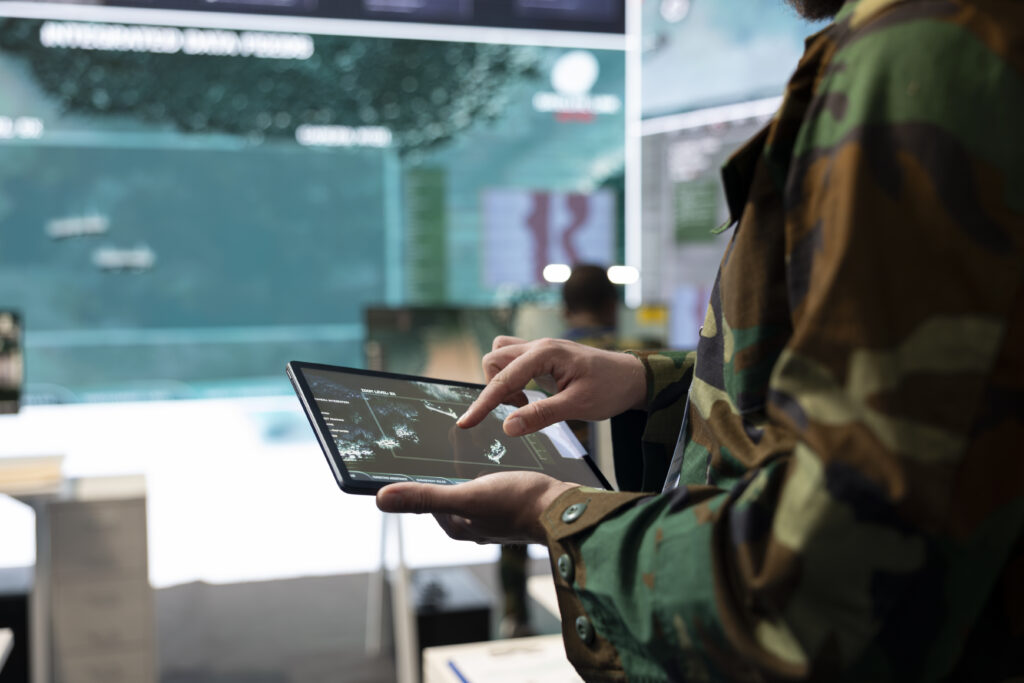
The defense industry is undergoing a digital revolution, and at the core of this transformation lies software technology. From advanced simulation systems to real-time battlefield communication tools, software plays an increasingly crucial role in enhancing national security, optimizing military operations, and integrating cutting-edge innovations such as artificial intelligence (AI), machine learning (ML), and cyber defense. This blog delves into the various ways software is reshaping the modern defense landscape, the technologies driving this change, and what the future holds for defense industry software. The Growing Importance of Software in Defense Historically, the defense sector has focused on physical assets—fighter jets, submarines, tanks, and weapons systems. However, the 21st century demands a more digitally-integrated battlefield, where software applications are as critical as hardware. Software enables military forces to: Analyze threats in real time Coordinate missions across vast geographies Control unmanned systems (drones, UAVs, UGVs) Simulate combat scenarios for training Protect sensitive data from cyber threats In this environment, software has evolved from a supporting role to being a central strategic asset. Key Areas Where Software Impacts Defense 1. Command and Control (C2) Systems Modern warfare depends on the seamless flow of information. C2 software systems are designed to ensure that military leaders can quickly gather, analyze, and act on battlefield data. These systems allow for: Real-time situational awareness Rapid decision-making Cross-domain interoperability Mission planning and execution tracking C2 software is often built with high levels of redundancy, encryption, and AI-assisted analytics to ensure fast and secure communication. 2. Cybersecurity and Cyber Warfare As cyberattacks become a leading threat to national security, cyber defense software has become a core priority for military operations. Defense systems must be capable of: Detecting intrusions Preventing data breaches Identifying advanced persistent threats (APTs) Defending critical infrastructure (e.g., satellites, radar, nuclear systems) AI and machine learning are increasingly used in threat detection, enabling systems to learn from past attacks and adapt to new ones autonomously. 3. AI and Machine Learning Applications Artificial Intelligence is a game-changer in defense software. Military AI applications include: Image and video recognition for surveillance Target tracking in UAVs Predictive maintenance of equipment Behavioral pattern analysis of enemy units For example, AI software can analyze satellite imagery in seconds—tasks that would take hours or days for a human team. This boosts operational efficiency and strategic planning. 4. Simulation and Training Systems Software-based training platforms have revolutionized how military personnel prepare for combat. These systems provide: Virtual reality (VR) combat environments Flight simulators for pilots Tactical decision games Crisis management simulations Simulation software reduces training costs, improves safety, and allows for a highly immersive, repeatable training experience. 5. Unmanned Systems and Robotics The use of autonomous and semi-autonomous systems has skyrocketed in recent years. Whether it’s aerial drones (UAVs), underwater drones (UUVs), or ground vehicles (UGVs), all of them rely on advanced software systems for: Navigation Obstacle avoidance Mission execution Data collection and transmission These systems are increasingly operated through centralized software platforms that provide remote access, real-time control, and cloud-based mission analytics. Emerging Technologies in Defense Software 1. Digital Twin Technology Digital twin software creates a virtual replica of physical defense assets. This allows for: Predictive maintenance Design testing System optimization For instance, a digital twin of a fighter jet can simulate different stress scenarios, allowing engineers to test components before real-world deployment. 2. Edge Computing Defense environments often operate in areas with limited connectivity. Edge computing software ensures that data processing can occur locally—on the battlefield—rather than relying solely on cloud services. This reduces latency and increases autonomy. 3. Quantum Cryptography Cybersecurity is heading into the quantum era. Software platforms that integrate quantum cryptography are being developed to provide unbreakable encryption, vital for securing military communication. 4. 5G and Software-Defined Radios (SDRs) High-speed communication is critical for defense. 5G networks, combined with SDR technology, offer a dynamic way for military units to access and modify communication channels in real time, based on mission needs. Software Development Challenges in the Defense Sector While the benefits of software in defense are enormous, the development process is complex and highly regulated. 1. Security and Compliance Defense software must meet stringent standards such as: NIST (National Institute of Standards and Technology) DoD 8570 compliance in the U.S. NATO STANAG (Standardization Agreements) Failing to meet these can lead to catastrophic consequences, including security breaches or system failure. 2. Scalability and Interoperability Modern military systems must work across multiple domains—land, air, sea, space, and cyber. Software must be scalable and compatible with legacy systems and future technologies. 3. Real-Time Performance Requirements Many defense applications require real-time responsiveness, often within milliseconds. This puts significant pressure on software engineers to optimize for speed and accuracy, particularly in missile defense systems or UAV coordination. 4. Testing and Validation Testing defense software isn’t as simple as running unit tests. It requires: Hardware-in-the-loop (HIL) testing Simulation under battlefield-like conditions Continuous vulnerability assessments Secure coding practices Notable Examples of Defense Software Platforms Palantir Gotham – Used for data integration and decision-making support in intelligence and defense sectors. DARPA’s CODE Program – Aims to develop algorithms for collaborative autonomy in drones. Lockheed Martin’s F-35 ALIS/ODIN – A logistics and maintenance software used to manage the operational readiness of fighter jets. Raytheon Cyber Solutions – Provides advanced threat detection and mitigation tools for cyber warfare. The Role of Private Sector and Startups Defense software is no longer the sole domain of government entities. Startups and private companies are increasingly contributing innovative solutions. For example: Anduril Industries creates autonomous defense systems with real-time surveillance and AI. Shield AI develops software to enable drones to fly and map buildings without GPS. Darktrace offers self-learning AI cybersecurity tools for defense applications. Public-private partnerships are becoming more common, accelerating innovation and reducing costs. The Future of Defense Industry Software As threats evolve and technology progresses, defense software will continue to play a foundational role in global military strategy. We can expect: Greater integration of AI and autonomous systems Wider adoption of zero-trust cybersecurity frameworks Expansion of multi-domain operations (MDO)
IOS Mail Setup

How to Set Up IOS Mail – Let’s go to the Settings section on the iPhone home screen. – Click on the Mail button in Settings. – Let’s click on the Add Account button. – Let’s click on the Other option at the bottom. – Let’s click on the Add Mail Account button. – Fill in your name, email address, password and description section with YOUR OWN INFORMATION as in the example and tap the “Next” button. (The important thing is the email address and password section. The description section is just a name to better distinguish your mailbox.) – Select the “IMAP” button in the window that appears and fill it in as follows. (If you do not know the information, you can contact us.) Name: Write your name Your email address: Write your full email address. Description: You can leave it blank. Incoming Mail server Server Name: Write mail.alanadaniz.com User name: Write your full email address Password: Write your password, paying attention to uppercase and lowercase letters Incoming Mail Server Server Name: Write mail.alanadaniz.com User name: Write your full email address Password: Write your password, paying attention to uppercase and lowercase letters After filling in all the information, click the Next button and then the Save button. Note: If you want, you can also choose the POP option. Your messages will be downloaded to your phone. This will cause your mail to take up more space on your phone. – If the message Cannot Connect Using SSL is displayed on the screen, we say Yes. – On this screen, our e-mail account has been successfully added, but we are asked to choose what will be synchronized, for example, only e-mail is selected, if you want it to come in my notes, you can choose both. We finish the process by saying Save. When you go back to the main screen and open our Mail application, you will see your incoming messages.