
Industrial IoT Platforms
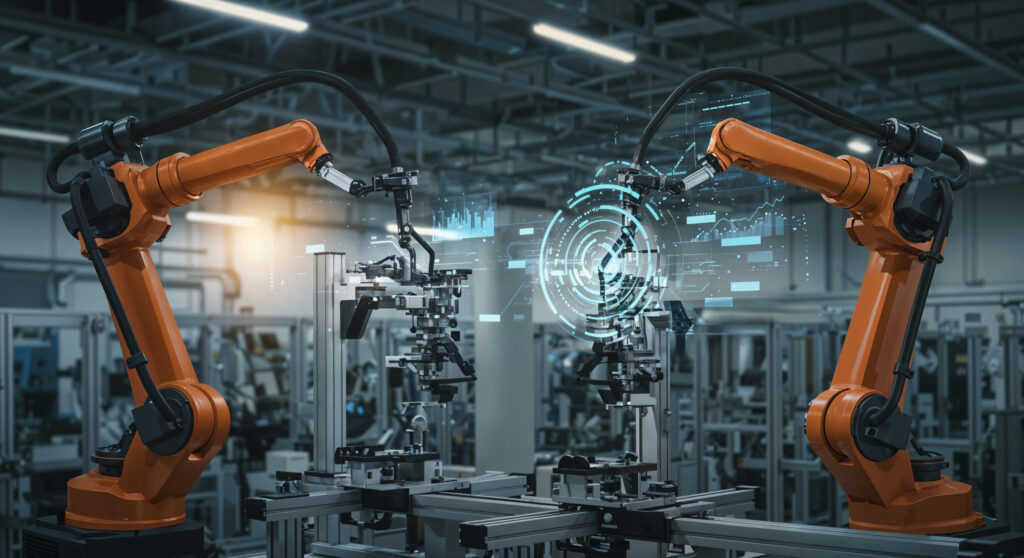
Definition and Purpose An industrial IoT platform is a software framework that connects industrial devices, sensors, and machines to collect, process, and analyze data. It provides the tools necessary for developing, deploying, and scaling IoT applications in manufacturing, energy, logistics, and other industrial sectors. Platform Architecture Edge Layer: Gateways and embedded systems for local processing and protocol translation. Connectivity Layer: Supports protocols like MQTT, OPC UA, Modbus, and EtherNet/IP. Data Processing Layer: Stream processing, analytics, and machine learning integration. Application Layer: Dashboards, visualization tools, and API access for custom solutions. Core Features Device and asset management Real-time monitoring and alerts Data visualization and reporting Predictive maintenance capabilities Integration with ERP, MES, and SCADA systems Edge analytics and AI model deployment Benefits of Industrial IoT Platforms Improved operational efficiency through real-time insights Reduced downtime via predictive analytics Better quality control and process optimization Enhanced safety through automated monitoring Energy savings and sustainability improvements Security Measures Security is a critical element of industrial IoT platforms. Measures include: End-to-end encryption of data in transit and at rest Role-based access control (RBAC) Multi-factor authentication for critical access Network segmentation and firewall configurations Regular firmware and software updates Integration Challenges Integrating industrial IoT platforms often involves challenges such as connecting legacy systems, ensuring interoperability between different vendor devices, managing large volumes of data, and aligning OT (Operational Technology) with IT security policies. Real-World Applications Smart Manufacturing: Real-time production monitoring and process automation. Predictive Maintenance: Early detection of equipment issues. Energy Management: Optimization of energy usage across facilities. Supply Chain Tracking: Asset tracking and logistics optimization. Remote Operations: Control and diagnostics without on-site presence. Future Trends Integration of AI-driven predictive analytics Edge AI for faster decision-making Blockchain for secure supply chain data 5G adoption for ultra-low latency applications FAQs What is the difference between an IoT platform and SCADA? SCADA focuses on control and monitoring of industrial processes, while an IoT platform adds advanced analytics, AI, and integration capabilities across a broader ecosystem. Can industrial IoT platforms work with legacy equipment? Yes, through the use of protocol converters, edge gateways, and retrofit sensor kits. How is data processed in industrial IoT platforms? Data is collected from devices, processed at the edge for quick insights, and sent to the cloud or on-premises servers for deeper analysis. Are industrial IoT platforms cloud-based? Many are cloud-native, but hybrid and fully on-premises solutions are available for sensitive environments. Industrial IoT platforms are a cornerstone of modern smart factories, enabling better decision-making, operational efficiency, and scalable innovation in the industrial sector.
Defense Software Development
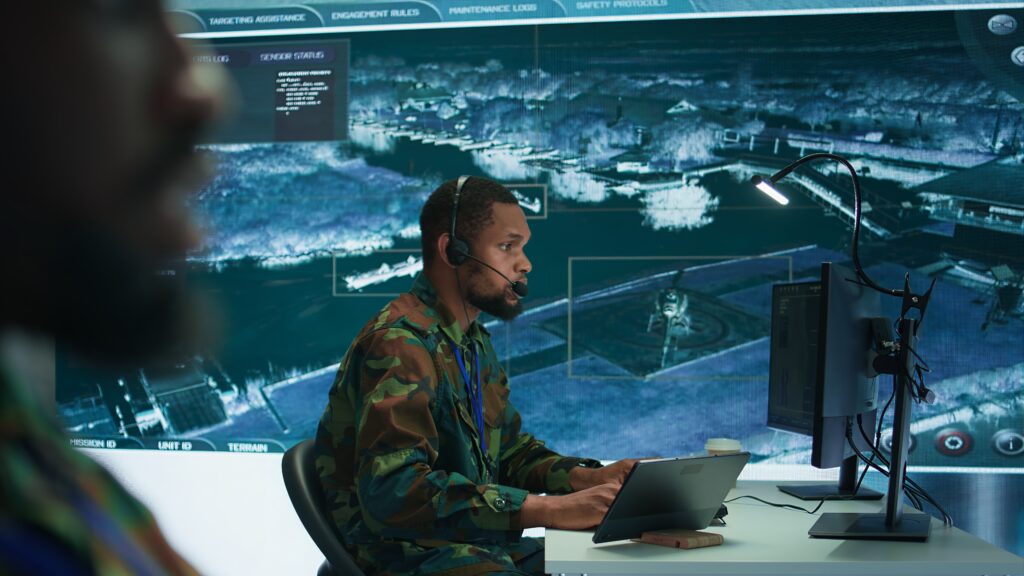
Definition and Scope Defense software development refers to the process of designing, coding, and deploying software systems for military operations, command and control, surveillance, intelligence, simulation, and weapon systems. These applications are tailored to meet the needs of armed forces, defense contractors, and government agencies, ensuring mission readiness and operational superiority. Core Technologies Used Embedded Systems: Real-time software for avionics, missile guidance, and ground vehicles. Command and Control (C2) Systems: Platforms that facilitate communication, situational awareness, and operational planning. Simulation and Training Software: Virtual environments for pilot, soldier, and naval training. Cyber Defense Tools: Intrusion detection, threat intelligence, and security analytics. Data Fusion Platforms: Combining data from sensors, satellites, and radars for actionable intelligence. Development Standards and Compliance Defense projects often follow strict standards such as DO-178C (avionics software), ISO/IEC 15408 (Common Criteria), MIL-STD-498 (software development), and NIST Cybersecurity Framework. Adherence ensures software is safe, interoperable, and maintainable over its lifecycle. Security Protocols in Defense Software Given the high-risk nature of defense systems, security is integrated from the earliest stages: End-to-end encryption for data in transit and at rest. Zero Trust architecture to limit insider threats. Hardware-based security modules (HSMs) for key storage. Secure boot and code signing to prevent unauthorized modifications. Continuous vulnerability scanning and penetration testing. AI and Machine Learning in Defense Applications AI and ML are revolutionizing defense capabilities through automated target recognition, predictive maintenance, cyber threat detection, and autonomous systems. These technologies reduce decision-making time and improve situational awareness. Integration Challenges Integrating defense software with existing platforms involves dealing with legacy systems, interoperability across branches, bandwidth-limited networks, and strict certification processes. Modular architectures and standardized APIs can help mitigate these issues. Testing and Validation Testing defense software involves simulation, hardware-in-the-loop (HIL) testing, field trials, and cybersecurity penetration testing. Validation ensures compliance with mission requirements and regulatory standards. Future Trends in Defense Software Development Increased use of cloud-based defense platforms with sovereign hosting. Quantum-resistant cryptography for secure communications. Greater autonomy in unmanned aerial, naval, and ground vehicles. Advanced digital twin simulations for real-time mission planning. FAQs What programming languages are used in defense software? Common languages include C, C++, Ada, and Python, chosen for reliability, performance, and compliance with safety standards. How long does it take to develop defense software? Timelines vary by complexity, ranging from months for smaller tools to several years for integrated combat systems. Is AI replacing human operators in defense? No. AI enhances decision-making and automation, but human oversight remains critical for accountability and ethical reasons. What makes defense software different from commercial software? Defense software must meet stricter standards for security, reliability, and compliance, often operating in hostile environments under mission-critical conditions. Defense software development is essential for building secure, interoperable, and mission-ready systems that enhance national security and operational effectiveness.
Factory Automation Systems

Factory automation systems are integrated solutions that control and monitor machines, lines, and entire facilities with minimal manual intervention. They coordinate real-time signals from sensors and controllers, execute logic for sequencing and interlocks, visualize performance, and exchange data with higher-level applications for planning and optimization. Modern automation spans discrete manufacturing (assembly, packaging), process industries (chemicals, food & beverage), and hybrid/batch environments. It underpins initiatives such as Industry 4.0, smart factories, and digital transformation. Key Components of a Modern Automation Stack Programmable Logic Controllers (PLC) and PAC PLCs and PACs execute deterministic control logic for motors, actuators, valves, drives, and safety devices. They handle I/O scanning, PID loops, motion control, and fault handling with high reliability. Supervisory Control and Data Acquisition (SCADA) and HMI SCADA/HMI applications provide visualization, alarms, set-point entry, and historical trending. Operators use them to diagnose issues, adjust production parameters, and maintain uptime. Distributed Control System (DCS) DCS platforms are prevalent in continuous process plants, orchestrating large numbers of control loops across units and areas with centralized engineering tools and advanced batch sequencing. Industrial Robotics and Cobots Articulated robots, SCARA, delta, and collaborative robots perform repetitive or hazardous tasks—palletizing, pick-and-place, welding, dispensing, and inspection—while improving repeatability and throughput. Sensors, Vision, and IIoT Devices Edge sensors (temperature, vibration, pressure), machine vision, and smart cameras capture quality and condition data. IIoT gateways aggregate signals and push telemetry to on-prem or cloud analytics. Manufacturing Execution System (MES) MES manages work orders, genealogy/traceability, electronic batch records, quality checks, and OEE. It sits between automation and ERP to synchronize production with demand. Industrial Networks and Protocols Common fieldbuses and industrial Ethernet include PROFINET, EtherNet/IP, Modbus TCP, POWERLINK, and CC-Link IE. For data interoperability, OPC UA and MQTT enable standardized, secure communication to analytics platforms and data lakes. Benefits and ROI Drivers Higher OEE: Reduced downtime, improved cycle time, and fewer rejects. Consistent quality: Closed-loop control and automated inspection reduce variability. Real-time visibility: Dashboards and alerts accelerate decision-making. Energy efficiency: Optimized set-points, drives, and idle management cut consumption. Traceability and compliance: Digital records support audits and standards. Workforce safety: Risk reduction through guards, interlocks, and safety PLCs. Typical ROI arrives through scrap reduction, throughput gains, fewer stoppages, and lower maintenance spend via predictive strategies. Common Use Cases for Factory Automation Systems Assembly automation: Motion control, torque verification, and poka-yoke checking. Packaging and palletizing: Robotics and vision for labeling and case handling. Process control: Continuous and batch control with recipe management. Intralogistics: AGVs/AMRs and conveyors synchronized with line takt time. Predictive maintenance: Vibration/temperature analytics forecast failures. Quality inspection: Machine vision detects defects in real time. Reference Architecture and Data Flow A robust design separates layers: Field layer: Sensors, actuators, drives, and safety devices. Control layer: PLC/PAC, motion controllers, safety controllers. Supervisory layer: SCADA/HMI for visualization, historian, and alarms. Execution layer: MES/LIMS for schedules, quality, and traceability. Enterprise/analytics layer: ERP, APS, and cloud/edge AI via OPC UA/MQTT. Design goals include determinism for control traffic, segmented VLANs, DMZs for IT/OT demarcation, and standardized tag naming for scalable integration. Implementation Roadmap 1. Assess and Define Objectives Baseline current OEE, scrap, and energy metrics. Prioritize bottlenecks and high-impact lines or cells. Set quantifiable targets (e.g., +10% throughput, −20% downtime). 2. Design the Control Strategy Standardize PLC templates, tag structures, and coding guidelines. Specify networks, panel layout, and safety categories. Select sensors, drives, and robot payloads/end-effectors. 3. Pilot and Validate Run a limited pilot with clear success criteria. Capture operator feedback and iterate HMI usability. Finalize change management and training materials. 4. Scale and Integrate Roll out to additional assets with MES/ERP integrations. Deploy centralized monitoring, historian, and KPIs. Automate backups and version control for PLC and HMI projects. 5. Optimize and Maintain Implement predictive maintenance models and alert thresholds. Continuously refine set-points and recipes based on data. Review cybersecurity posture and patch management quarterly. Safety and Cybersecurity Essentials Functional Safety Conduct risk assessments and implement appropriate Performance Levels/SIL. Use safety PLCs, interlocked guards, light curtains, and safe motion. Test emergency stops and safety functions at defined intervals. OT Cybersecurity Segment networks (cell/area zones), deploy firewalls, and use a DMZ. Harden PLCs/HMIs: strong credentials, role-based access, signed firmware. Adopt secure protocols (TLS with MQTT/OPC UA) and monitor for anomalies. Selection Checklist for Factory Automation Systems Compatibility with existing PLCs, drives, and field devices. Open connectivity (OPC UA, MQTT, REST) and future scalability. Robotics and vision support; ease of programming and simulation tools. Native MES features for scheduling, quality, and traceability. Lifecycle costs: licenses, spares, training, and support. Security features, audit trails, and user management. Vendor ecosystem, documentation, and community resources. FAQs What is the difference between PLC and DCS? PLCs excel at high-speed, machine-level control and discrete logic, while DCS platforms are optimized for continuous process plants with extensive analog control and centralized engineering. How does MES complement SCADA? SCADA focuses on real-time supervision and control; MES manages production execution—orders, quality, genealogy, and performance—bridging automation with ERP. Do small factories benefit from automation? Yes. Even targeted projects—such as automated inspection, simple robotics, or energy monitoring—can deliver rapid ROI and create a blueprint for scaling. Which protocols are best for data integration? Use OPC UA for standardized, secure interoperability and MQTT for lightweight publish/subscribe telemetry to edge or cloud analytics. How do I measure success? Track OEE, first-pass yield, downtime causes, maintenance MTBF/MTTR, and energy per unit. Compare outcomes to baseline targets set during the assessment phase. Well-planned factory automation systems increase productivity, quality, and safety while enabling data-driven continuous improvement across the plant.
Industrial Software Solutions

Scope and Stack of Industrial Software The industrial software stack spans several layers that must interoperate seamlessly: Control & Supervision: PLC programming environments, SCADA, DCS, and HMI for deterministic control and operator visibility. Operations & Execution: MES/MOM, QMS, LIMS, batch and recipe management for shop-floor orchestration and compliance. Asset & Reliability: CMMS/EAM and predictive maintenance (PdM) for uptime, spares, and lifecycle cost control. Data & Analytics: Historians, IIoT platforms, data lakes/warehouses, AI/ML analytics, and digital twins. Enterprise Integration: ERP, APS, WMS, TMS, PLM, and CAD/CAM for end-to-end traceability and planning. Security & Governance: ICS/OT security, identity and access, audit trails, and regulatory compliance. Control and Supervision Layer PLC and Motion Control Programmable logic controllers (PLCs) execute real-time control logic for sequencing, interlocks, motion, and safety. Authoring environments support IEC 61131-3 languages (ladder, function block, structured text) plus simulation and online diagnostics. Best practice includes modular function blocks, version control, and certified safety libraries. SCADA Supervisory Control and Data Acquisition (SCADA) centralizes multi-asset monitoring, alarm management, historian logging, and remote operations. Modern SCADA is web-native, supports role-based dashboards, ISA-18.2 alarm rationalization, and integrates securely with IIoT brokers for site-to-cloud data sharing. DCS Distributed Control Systems (DCS) coordinate continuous and batch processes (chemicals, oil & gas, power). They provide redundant controllers, advanced process control (APC), and recipe execution per ISA-88, ensuring deterministic behavior, safety integrity, and graceful degradation under fault. HMI Human-Machine Interfaces visualize processes with high-performance graphics, trends, and contextual alarms. Design guidelines emphasize situational awareness (minimalism, meaningful color, consistent navigation) and responsive layouts for fixed and mobile terminals. Manufacturing Operations & Execution MES/MOM Manufacturing Execution Systems track work-in-process, orchestrate operations, enforce standard work, and maintain genealogy and e-records. Typical modules include dispatching, labor and equipment management, SPC, eDHR/eBR, non-conformance/CAPA, and OEE analytics. Integration with ERP synchronizes demand, BOMs, and routings. Quality Management (QMS) and LIMS QMS standardizes document control, deviations, audits, and supplier quality. Statistical process control (SPC) detects drift early, reducing scrap. Laboratories use LIMS to manage samples, test methods, results, and certifications, linking directly to batch release decisions. Advanced Planning & Scheduling (APS) APS balances constraints (materials, labor, changeovers, tooling, energy windows) using heuristics and optimization. What-if scenarios evaluate schedule robustness; integration to MES ensures executable plans with real-time feedback on adherence. Asset Performance and Reliability Enterprise Asset Management (EAM) and CMMS coordinate preventive, predictive, and corrective work. Condition-based monitoring leverages vibration, temperature, acoustic, electrical signature, and oil analysis to trigger interventions. PdM models (from rule-based to ML) predict remaining useful life, aligning maintenance with production windows and parts availability. MTBF/MTTR improvement: Standard work, spares optimization, and failure mode effects analysis (FMEA). Work management: Mobile work orders, e-permits, lockout/tagout, and calibration traceability. Cost control: Warranty capture, energy and utility monitoring, and lifecycle costing. Data Infrastructure and Analytics Time-series historians capture high-frequency telemetry; IIoT platforms normalize device data via MQTT/OPC UA and stream it to data lakes. A governed semantic layer standardizes equipment, KPIs, and units, enabling self-service analytics and cross-site benchmarking. Digital twins mirror assets and lines to simulate recipes, changeovers, and maintenance strategies before deployment. Edge computing: Local inference and buffering for low-latency control and intermittent connectivity. AI/ML: Anomaly detection, vision-based quality, energy optimization, and prescriptive recommendations. Visualization: Role-based dashboards for operators, process engineers, quality, and executives. Security and Compliance in OT Operational Technology faces unique cyber risks. A defense-in-depth approach segments networks, hardens endpoints, and continuously monitors behavior. Principles include: Zero-trust for ICS: Strong identity, least privilege, and continuous authentication. Segmentation: Zones and conduits, firewalls with DPI for industrial protocols, and unidirectional gateways where needed. Secure engineering: Code signing, SBOMs, patch and vulnerability management aligned to maintenance windows. Standards alignment: Practices informed by widely recognized industrial security frameworks and safety regulations. Resilience: Backup/restore drills, golden images, disaster recovery, and incident response playbooks. Enterprise and Supply Chain Integration True end-to-end visibility depends on robust integrations: ERP & Finance: Demand, BOMs, routings, cost and variance tracking. WMS/TMS: Inventory accuracy, lot/serial traceability, dock scheduling, and shipment status. PLM/CAD/CAM: Closed-loop engineering change from design to work instructions and NC programs. Supplier portals: ASN, quality data exchange, and collaborative forecasting. APIs, event streams, and canonical data models prevent brittle point-to-point integrations and reduce time-to-change. Use Cases by Industry Segment Automotive and eMobility Robot-dense body-in-white lines synchronized with MES ensure takt adherence and traceability. Battery plants use high-speed vision and SPC to manage coating, drying, and cell formation with micrometer tolerances. Pharmaceuticals and Biotech Recipe-driven batch execution, electronic batch records, environmental monitoring, and serialization address stringent compliance while accelerating release times. Food & Beverage Allergen control, CIP/SIP validation, genealogy, and OEE improvements reduce waste and safeguard consumers. Energy, Chemicals, and Mining APC stabilizes complex reactions; DCS with advanced alarms prevents trips; reliability suites cut unplanned outages in capital-intensive assets. Discrete Electronics AOI/AXI vision integrated into MES and SPC delivers ppm-level defects, while APS optimizes high-mix, low-volume scheduling. Benefits and KPIs That Matter Throughput & OEE: Higher availability, performance, and quality rolled into a single impact metric. First-Pass Yield: Early detection reduces rework and scrap. Lead Time & On-Time Delivery: Better promise dates through synchronized planning and execution. Energy Intensity: kWh per unit cut via smart schedules and control. Safety & Compliance: Fewer incidents and audit-ready records. Implementation Roadmap Assess & align: Map value streams, pain points, and constraints; define target KPIs and architecture principles. Design for openness: Choose platforms supporting open protocols (e.g., OPC UA, MQTT), APIs, and modular apps. Pilot where value is clear: Start with a constrained line or cell; measure baseline vs. uplift. Harden and secure: Build identity, segmentation, backups, and monitoring into the foundation. Scale with governance: Create templates, golden images, and a semantic data model for multi-site rollout. Upskill teams: Train operators, maintenance, and engineers; embed new workflows and dashboards. Continuous improvement: Use analytics and kaizen cycles to sustain gains and extend scope. Selection Checklist (Vendor-Neutral) Fit-for-purpose: Native support for your processes (batch, discrete, hybrid) and regulatory needs. Interoperability: Protocols, APIs, SDKs, and event streaming to avoid lock-in. Scalability: Edge-to-cloud deployment options; multi-site management. Security posture:
Defense Technology Development
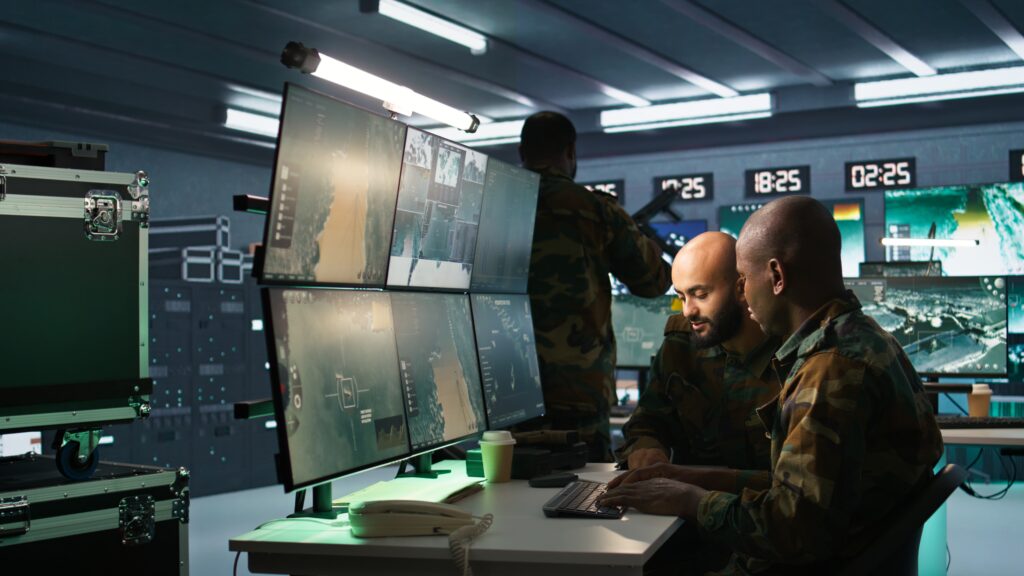
Around the world, militaries and their partners are racing to modernize capabilities across land, sea, air, cyber, and space. Defense technology development spans everything from next‑generation sensors and secure networks to hypersonic weapons, autonomous systems, and AI‑driven decision tools. The aim is simple but demanding: deliver decisive advantage while increasing survivability, resilience, and speed of action in an environment where threats evolve by the month rather than by the decade. What Defense Technology Development Encompasses Modern programs rarely focus on a single platform or weapon. Instead, they combine software, hardware, and doctrine into interoperable systems of systems. Core efforts typically include: C4ISR: Command, control, communications, computers, intelligence, surveillance, and reconnaissance for shared situational awareness. Cyber defense and offense: Protecting mission systems, hardening supply chains, and enabling cyber operations. Precision strike: Ranging from advanced munitions to hypersonic delivery systems. Autonomy and robotics: Unmanned aerial, surface, and subsurface vehicles for ISR, logistics, and effects. Electronic warfare: Jamming, deception, and spectrum dominance. Space systems: Resilient communications, PNT, early warning, and space domain awareness. Defensive layers: Integrated air and missile defense, counter‑UAS, and directed energy. Critical to all of these is a digital backbone: mission software, secure data fabrics, and analytics that transform raw data into timely, actionable insight. Historical Trajectory and Turning Points The last century’s breakthroughs—radar, jet engines, precision‑guided munitions, and stealth—shifted the balance of power multiple times. Today’s inflection points are software‑centric. Digital engineering, agile development, and rapid prototyping compress timelines; modular open systems allow upgrades without redesign; and AI accelerates the observe–orient–decide–act (OODA) loop. Conflicts and contests in recent years have reinforced three lessons: low‑cost autonomous threats can saturate defenses, resilience beats fragility, and decision speed is a weapon in its own right. Core Domains of Modern Capability C4ISR and the Data Advantage Effective C4ISR fuses multi‑INT data—electro‑optical, infrared, SAR, ELINT, HUMINT—into a common operating picture. Modern architectures use secure tactical data links, cloud‑to‑edge processing, and AI classifiers to highlight threats, reduce cognitive load, and coordinate effects across domains. Interoperability standards and zero‑trust security are essential to connect allies without expanding attack surfaces. Cyber Defense and Resilient Networks Adversaries target software supply chains, satellites, and industrial control systems. Robust defenses combine endpoint detection and response, anomaly detection via machine learning, strict identity and access management, and continuous validation of configurations. Resilience means assuming breach: segmenting networks, practicing rapid reconstitution, and maintaining offline recovery pathways. Hypersonic and Counter‑Hypersonic Systems Hypersonic glide vehicles and cruise missiles compress decision windows and complicate interception. Development focuses on thermal protection, guidance under extreme conditions, and precision at speed. On the defensive side, tracking and fire control require multi‑sensor integration, elevated and space‑based detection, and faster kill chains that pair kinetic and non‑kinetic interceptors. Autonomous and Robotic Systems Unmanned systems extend reach and reduce risk. Small UAS provide organic ISR to tactical units; maritime drones survey littorals; ground robots clear hazards and deliver supplies. Autonomy stacks integrate perception, navigation in GPS‑denied environments, cooperative behaviors (swarming), and human‑machine teaming with transparent controls and ethical guardrails. Electronic Warfare and Spectrum Operations Spectrum dominance is decisive. Modern EW suites detect, characterize, and counter emitters with adaptive jamming, spoofing, and deceptive waveforms. Software‑defined radios and cognitive EW enable rapid retuning and counter‑countermeasures, while tight integration with cyber and ISR amplifies effects. Directed Energy and Counter‑UAS High‑energy lasers and high‑power microwaves offer low cost per shot and deep magazines for base and ship defense. Key development areas include beam quality, thermal management, target tracking, and rules of engagement that pair DE with kinetic options and electronic attack to form layered counter‑UAS and counter‑rocket, artillery, and mortar defenses. Space as a Contested Domain Space systems underpin communications, navigation, and missile warning. The shift is toward proliferated constellations, maneuverable satellites, resilient waveforms, and space domain awareness that identifies threats such as co‑orbital stalkers and debris. Ground segment security and anti‑jamming protections are as important as on‑orbit survivability. Enabling Software and Digital Infrastructure Software is the connective tissue. Modern programs adopt modular open systems architectures (MOSA) to enable plug‑and‑play upgrades, and they use digital twins to test tactics and configurations virtually before fielding. Edge computing brings AI inference forward to platforms operating with contested connectivity; cloud services aggregate training data and orchestrate updates. Secure DevSecOps pipelines integrate security testing into every build, while formal methods help verify safety‑critical logic. Model‑based systems engineering (MBSE) aligns stakeholders and accelerates certification. Data is treated as a weapon system: tagged, governed, and shared under strict access controls. Common data models reduce translation loss, and telemetry from operations feeds continuous learning cycles that improve autonomy and predictive maintenance. Benefits and Strategic Impact Decision superiority: AI‑assisted analytics compress the sensor‑to‑shooter timeline. Deterrence and reassurance: Credible, visible capabilities reshape adversary calculus and strengthen alliances. Force protection: Autonomy, active protection systems, and layered defenses reduce exposure. Efficiency and sustainability: Digital logistics and predictive maintenance cut cost and downtime. Interoperability: Standards‑based design enables coalition operations and lifecycle upgrades. Implementation Challenges and Constraints Development at the cutting edge introduces risk. Certification for safety‑critical systems can be lengthy, especially where AI is in the loop. Legacy platforms resist integration; proprietary interfaces slow innovation; and supply‑chain fragility—especially in microelectronics—creates bottlenecks. Cybersecurity is a constant pressure: every interface expands the attack surface. Budgets must balance near‑term readiness with long‑term R&D, and export controls can complicate multinational collaboration. Finally, ethics and law of armed conflict shape requirements for autonomy, targeting, and transparency. Procurement, Partnerships, and Innovation Models Traditional acquisition is evolving toward faster cycles: rapid prototyping, spiral development, and challenge‑based contracting. Governments increasingly tap commercial technology—cloud, AI chips, small satellites—through flexible agreements and sandbox environments. Prime contractors orchestrate integration, while startups deliver niche breakthroughs in perception, edge AI, and cyber analytics. Successful programs align incentives across this ecosystem, enforce open interfaces, and use outcome‑based metrics rather than prescriptive specs. Test, Evaluation, and Safety Rigorous, iterative test and evaluation (T&E) de‑risks fielding. Hardware‑in‑the‑loop labs, high‑fidelity simulators, and digital twins allow edge cases to be explored safely. For autonomy, testing emphasizes robustness to sensor noise, adversarial environments, and degraded