
Industrial Sensor Software
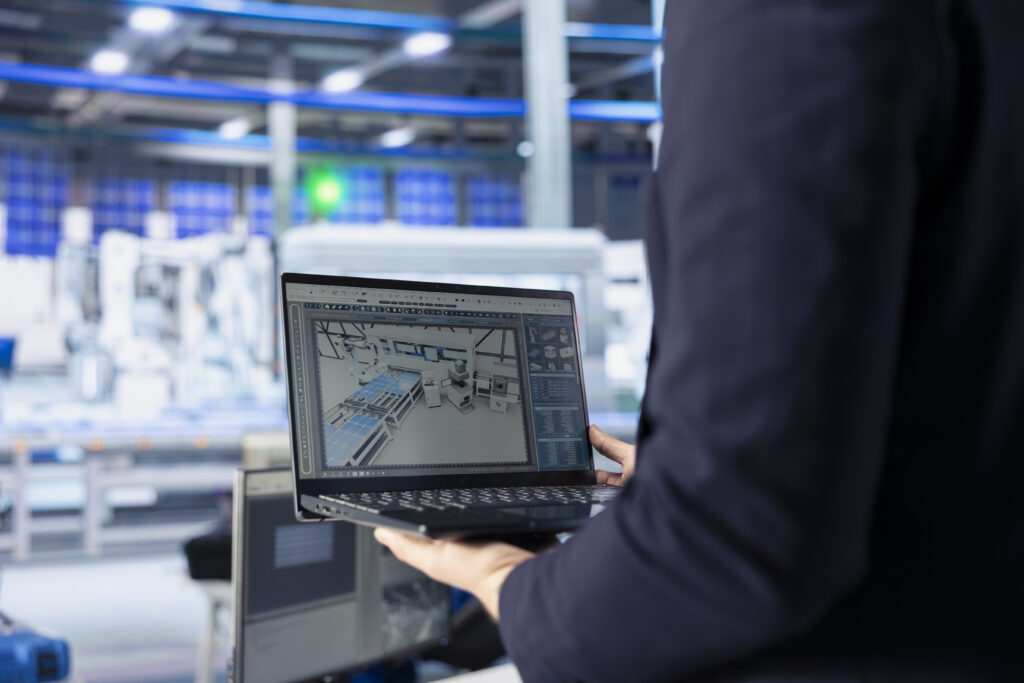
Industrial sensor software plays a critical role in the digital transformation of manufacturing and process industries by collecting, analyzing, and acting on real-time data from connected sensors. These platforms bridge the physical world and industrial control systems, enabling smarter, faster, and more efficient operations across various domains such as production, logistics, energy, and infrastructure. What Is Industrial Sensor Software? Industrial sensor software refers to specialized applications and platforms that interface with industrial sensors to monitor, record, and process data generated by machines, systems, and environments. This software can be deployed locally on edge devices or centrally on servers or cloud platforms, allowing for real-time analytics, diagnostics, automation, and control. How It Works Industrial sensors collect physical parameters—such as temperature, pressure, vibration, humidity, flow, and position—and convert them into digital signals. These signals are then transmitted via wired or wireless networks to software systems that interpret the data and trigger actions or alarms if predefined conditions are met. Key Features of Industrial Sensor Software Modern sensor software platforms offer a wide array of features designed to enhance process visibility, reliability, and control: Real-Time Data Monitoring: Live dashboards show critical process metrics and sensor statuses. Data Logging and Storage: Historical data is stored for trend analysis and compliance reporting. Custom Alerts and Thresholds: Set parameters for triggering alarms or actions when abnormal conditions are detected. Integration with SCADA/MES: Seamlessly integrates with Supervisory Control and Data Acquisition or Manufacturing Execution Systems. Edge Processing: Processes data at the sensor or device level, reducing latency and bandwidth usage. Predictive Maintenance: Uses sensor data to forecast equipment failures before they occur. Common Types of Sensors and Their Software Interfaces Sensor software must be versatile enough to handle various sensor types, each with its own data structure, protocol, and use case: Temperature and Humidity Sensors Used in climate control, food storage, pharmaceuticals, and cleanroom monitoring. Software offers calibration tools, multi-zone tracking, and regulatory compliance support. Vibration and Motion Sensors Essential for condition monitoring and predictive maintenance in rotating machinery. Software can perform frequency analysis and detect anomalies using machine learning models. Pressure and Flow Sensors Common in chemical and fluid processing industries. Sensor software manages thresholds, tracks fluctuations, and integrates with safety systems for emergency shutdowns. Proximity and Position Sensors Used in robotics, conveyor systems, and automated assembly lines. These sensors require real-time synchronization with motion controllers and PLCs, handled by the sensor software. Optical and Vision Sensors High-resolution sensors used for quality inspection and object recognition. Software supports image processing, object tracking, and integration with AI algorithms. Applications of Industrial Sensor Software Sensor software is deployed across a wide variety of industrial sectors, enabling smarter decision-making, greater safety, and automation. Common applications include: Smart Manufacturing: Automates process control and quality assurance using real-time sensor feedback. Energy Management: Monitors consumption, optimizes efficiency, and ensures regulatory compliance in industrial plants. Predictive Maintenance: Detects equipment anomalies and reduces downtime by forecasting failures in advance. Asset Tracking: Uses sensor data for monitoring the location and status of valuable machinery and inventory. Environmental Monitoring: Controls air quality, emissions, and temperature for safe and sustainable operations. Integration and Communication Protocols Effective industrial sensor software must support a range of industrial protocols to ensure compatibility and seamless integration with control systems and enterprise platforms: OPC UA: Open, secure, and platform-independent communication for industrial automation. Modbus TCP/RTU: Widely used for serial and Ethernet-based communication with legacy devices. MQTT: Lightweight protocol ideal for IIoT and cloud-based applications. PROFINET & EtherNet/IP: High-speed communication protocols for real-time industrial data exchange. Benefits of Using Industrial Sensor Software Adopting sensor software leads to significant improvements in operational performance, safety, and decision-making: Increased Visibility: Get a comprehensive, real-time overview of all connected systems and conditions. Improved Efficiency: Automate manual monitoring and reduce human errors through continuous tracking. Faster Response Time: Immediate alerts help detect and resolve issues before they escalate. Compliance Support: Ensures adherence to industry standards and provides audit-ready documentation. Cost Reduction: Optimizes resource use and prevents equipment failures that lead to unplanned downtime. Future Trends in Industrial Sensor Software Industrial sensor software is evolving rapidly with advances in edge computing, AI, and cloud platforms. Future systems will offer even deeper analytics, decentralized intelligence, and increased autonomy. Key emerging trends include: AI-Enhanced Data Interpretation Machine learning models will detect subtle anomalies and patterns that human operators might miss, improving diagnostic accuracy and process optimization. Digital Twins Combining real-time sensor data with virtual simulations will enable live mirroring of physical systems, supporting proactive maintenance and design improvements. 5G Connectivity Ultra-low latency and high bandwidth communication will empower time-critical applications such as remote control, automated inspections, and distributed systems coordination. Standardization and Interoperability Open architecture and standardized APIs will simplify integration with other systems, accelerating deployment and future-proofing solutions.
PLC Programming Software
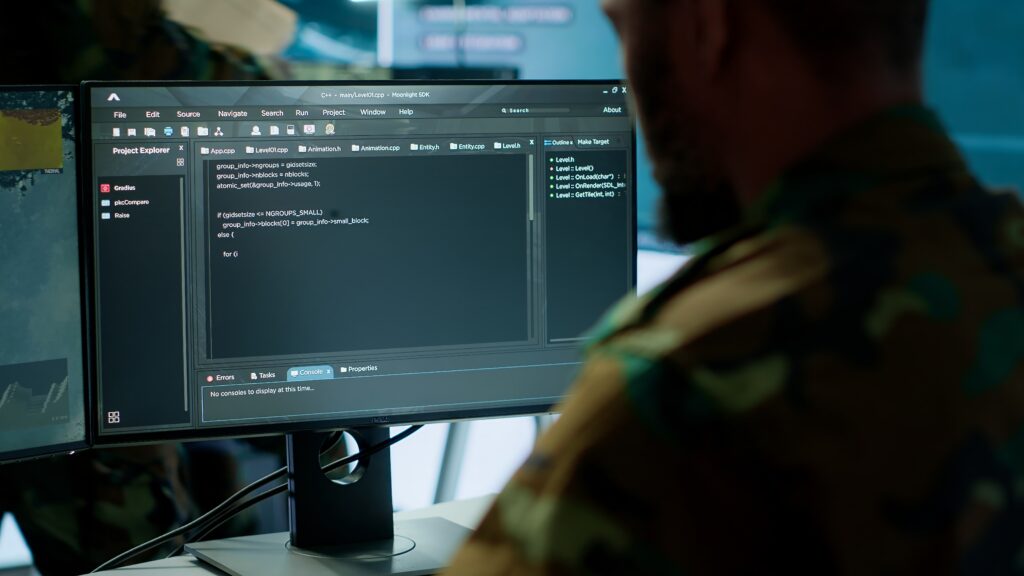
PLC programming software is an essential tool in industrial automation, enabling engineers and technicians to develop, test, and deploy control logic for programmable logic controllers (PLCs). These platforms allow precise control of machines, equipment, and processes across a wide range of industries, from manufacturing and energy to transportation and food processing. What Is PLC Programming Software? PLC programming software is a specialized development environment used to create, simulate, and upload control programs into PLC hardware. It provides engineers with visual and textual programming tools to define how automated systems should behave in response to inputs and outputs. The software typically includes features for ladder logic, function block diagrams, structured text, and instruction lists. Core Features of PLC Programming Tools Modern PLC software platforms are equipped with a broad range of features that support efficient programming, diagnostics, and commissioning: Ladder Logic Editor: Visual programming using relay logic diagrams, widely used in industrial applications. Function Block Diagram (FBD): Block-based programming ideal for repetitive or modular logic. Structured Text (ST): A high-level textual language used for complex algorithms and calculations. Simulation and Testing: Offline simulation tools to test logic without connecting to hardware. Real-Time Monitoring: View live I/O status, logic flow, and system behavior during operation. Debugging Tools: Step-by-step execution, breakpoints, and diagnostics for error handling. Popular PLC Programming Environments Various hardware manufacturers offer their own proprietary or standardized programming environments. Some of the most widely used platforms include: Siemens TIA Portal Totally Integrated Automation (TIA) Portal by Siemens is a powerful engineering framework for programming S7 PLCs. It supports all IEC 61131-3 languages and provides integrated HMI, safety, and motion configuration. Rockwell Automation Studio 5000 This platform is used for programming Allen-Bradley PLCs. It offers tag-based programming, intuitive design tools, and seamless integration with ControlLogix and CompactLogix systems. Mitsubishi GX Works GX Works provides a unified development environment for Mitsubishi Electric’s PLCs. It supports ladder logic, structured text, and function blocks with strong diagnostic and troubleshooting capabilities. Schneider Electric EcoStruxure Control Expert Previously known as Unity Pro, this software is used to program Schneider Modicon PLCs and offers powerful tools for process industries and infrastructure systems. Applications of PLC Programming Software PLC software is used across industries to automate various processes, including: Manufacturing: Assembly line control, packaging systems, and material handling automation. Energy: Power plant monitoring, substation automation, and renewable energy system control. Water Treatment: Monitoring pump stations, controlling chemical dosing, and ensuring process safety. Transportation: Conveyor belts, railway signal systems, and airport baggage handling. Food & Beverage: Batch process control, temperature regulation, and automated filling systems. Advantages of Using PLC Software Implementing PLC programming software in automation workflows provides significant benefits: High Reliability: PLCs are robust and designed for harsh industrial environments. Real-Time Control: Instant response to input changes ensures accurate machine performance. Flexibility: Programs can be updated or modified without hardware changes. Standardization: IEC 61131-3 standardization allows consistent development across platforms. Reduced Downtime: Diagnostic tools enable quick identification and resolution of issues. Challenges in PLC Programming While PLC programming offers many advantages, it also comes with specific challenges: Learning Curve: Requires understanding of control logic, electrical systems, and programming syntax. Platform Dependency: Most software is tied to specific hardware brands, limiting cross-compatibility. Cybersecurity Risks: Networked PLCs need protection from unauthorized access and tampering. Maintenance Complexity: Legacy programs without proper documentation can be difficult to troubleshoot. Trends in PLC Software Development The landscape of PLC programming software is rapidly evolving with the emergence of Industry 4.0 technologies. Modern trends include: Cloud Integration Some platforms now offer cloud-based project storage, version control, and remote access for distributed engineering teams. Edge Computing and IIoT PLCs are being integrated with IIoT sensors and edge devices for real-time analytics, predictive maintenance, and decentralized control. Open Standards and Interoperability Greater support for open protocols like OPC UA and MQTT enhances communication between different systems and platforms. Graphical and Low-Code Interfaces New interfaces aim to make PLC programming more accessible to non-specialists by reducing the need for in-depth coding knowledge.
Defense System Integration
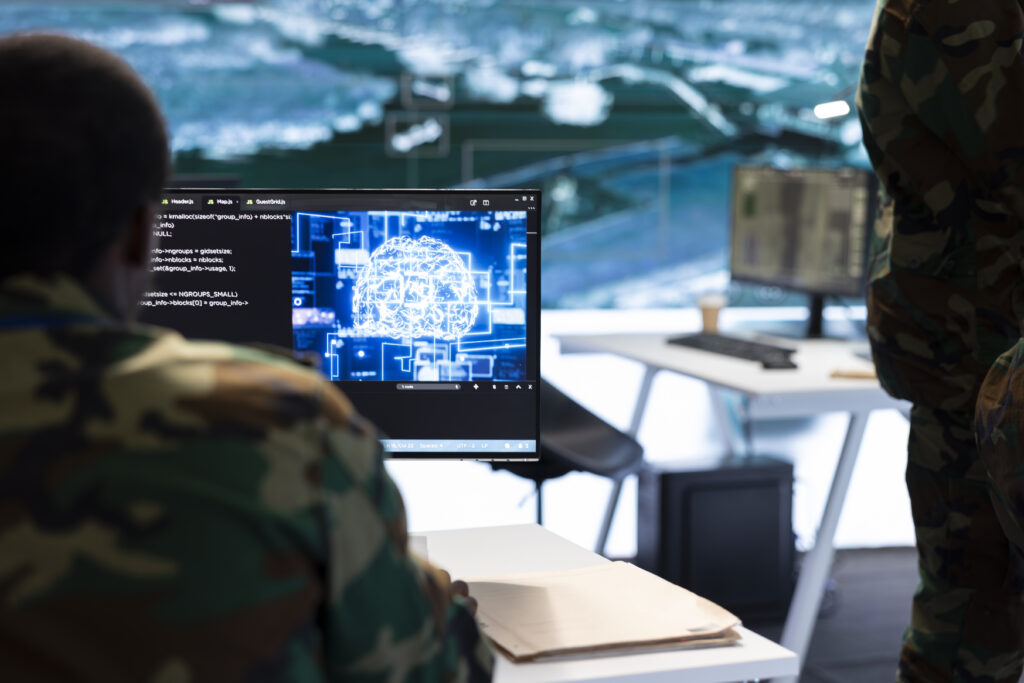
Defense system integration is a critical enabler of modern military capability, ensuring that various platforms, sensors, weapons, and communication systems work together as a unified, interoperable force. As defense operations become increasingly complex and multi-domain, integrated systems allow armed forces to react faster, share intelligence more efficiently, and coordinate missions with precision across air, land, sea, space, and cyberspace. What Is Defense System Integration? Defense system integration involves the engineering and implementation of technologies and architectures that connect disparate military systems into a cohesive operational framework. This process includes hardware, software, and communication protocols that enable real-time data exchange, command execution, and situational awareness across different assets and domains. Key Objectives of System Integration in Defense The primary goal of integrating defense systems is to enhance operational effectiveness through interoperability, speed, and shared situational understanding. Key objectives include: Interoperability: Ensure seamless communication between allied and joint forces using diverse platforms and systems. Data Fusion: Aggregate and analyze information from various sources to create a unified operational picture. Real-Time Decision Support: Enable commanders to make faster, informed decisions using integrated command and control (C2) tools. Mission Agility: Rapidly adapt to changing scenarios and dynamically reconfigure forces in real time. Cyber Resilience: Harden systems against intrusion and maintain mission continuity under cyber attack. Components Involved in Defense System Integration Integrating complex defense systems involves synchronizing a wide variety of subsystems and platforms across multiple domains. Key components include: Command, Control, Communications, Computers, and Intelligence (C4I) C4I systems form the backbone of modern military operations. Integration ensures that data collected from ISR (intelligence, surveillance, and reconnaissance) assets is distributed efficiently to operational units and command centers for real-time response. Sensors and Surveillance Systems Sensor integration allows real-time tracking of targets and threats. This includes radar, electro-optical systems, sonar, and satellite imagery, all linked to a central processing and visualization framework. Weapons and Combat Systems Integrated fire control systems connect weapon platforms with targeting data from multiple sources. This includes missile defense systems, naval artillery, and guided munitions that require precise synchronization with sensors and command networks. Platforms and Vehicles Air, land, and naval platforms are equipped with embedded systems that communicate via secure, high-bandwidth channels. Integration ensures coordinated movement, threat sharing, and collaborative targeting. Cyber and Electronic Warfare Systems These systems must be tightly integrated to detect, disrupt, and defend against electronic or cyber threats in real time. Their integration with broader C4ISR assets ensures coordinated response across the electromagnetic spectrum. Benefits of Integrated Defense Systems Effective defense system integration delivers both strategic and tactical advantages, improving force readiness and enabling superior coordination across domains. Unified Operational Picture: Integrated systems offer a common battlespace view for all units, enhancing coordination and reducing fog of war. Faster Mission Execution: Real-time data sharing reduces delays and increases the tempo of operations. Resource Optimization: Integration allows intelligent allocation of assets and avoids redundancy in deployments. Increased Survivability: By connecting systems, threats can be identified and countered faster, improving defensive response times. Multi-Domain Synchronization: Enables operations across land, air, sea, space, and cyber domains to operate in concert. Challenges in Defense System Integration Despite its benefits, integrating complex defense systems presents significant engineering, operational, and security challenges: Legacy System Compatibility: Older platforms may lack the interfaces or standards required for modern integration. Security Risks: Increased connectivity raises the risk of cyber threats, requiring robust encryption and monitoring. Standardization: Varied communication protocols and architectures between allied nations complicate joint system integration. System Complexity: Managing data flow, synchronization, and functionality across thousands of systems demands advanced architecture design. Cost and Timeline: Large-scale integration programs are resource-intensive and may span several years or decades. Technologies Enabling Defense Integration Several advanced technologies are at the core of successful system integration in modern defense environments: Open Systems Architecture (OSA) OSA facilitates integration by defining common standards and interfaces, allowing easier upgrades and compatibility across systems from different vendors or nations. Middleware and Data Standards Middleware solutions like DDS (Data Distribution Service) enable real-time, secure data exchange. Standardized formats such as STANAGs or NATO architectures ensure interoperability. Artificial Intelligence and Machine Learning AI improves data analysis, threat prediction, and automation within integrated systems, especially in command and control, cyber defense, and situational awareness applications. Digital Twin and Simulation Digital twin models allow real-time simulation of complex systems, aiding in integration testing, failure prediction, and performance optimization. Future Outlook of Defense System Integration The future of defense system integration lies in building dynamic, software-defined, and AI-powered systems capable of adapting to emerging threats and mission demands. Modular, open standards will accelerate development cycles, while enhanced cybersecurity frameworks will safeguard critical infrastructure. Integration will continue to expand across traditional and non-traditional domains, including space operations and cyber warfare, making joint-force effectiveness the cornerstone of global defense strategies.
Industrial Process Automation

Industrial process automation is reshaping the manufacturing landscape by replacing manual tasks with intelligent, connected, and automated systems. Through sensors, software, and control technologies, industries are achieving greater efficiency, reduced operational costs, improved quality, and enhanced safety. As competition and demand for consistent output increase, automation is no longer an option but a necessity in modern industrial environments. What Is Industrial Process Automation? Industrial process automation refers to the use of control systems, such as computers and robots, and information technologies for handling different processes and machinery in an industry to replace human intervention. The goal is to streamline operations, ensure consistency, and improve productivity by using intelligent automation solutions. Key Components of Industrial Automation Systems Automation systems consist of various hardware and software elements working together to execute and monitor processes with minimal human input. The main components include: Sensors and Actuators: Devices that detect physical parameters and execute physical actions based on controller commands. Programmable Logic Controllers (PLCs): Industrial computers that control automation processes through logic-based instructions. Human-Machine Interface (HMI): Interfaces that allow operators to interact with machines and monitor operations. Supervisory Control and Data Acquisition (SCADA): Systems that gather and analyze real-time data to manage and control processes remotely. Industrial Networks: Communication protocols (e.g., Modbus, Profibus, EtherNet/IP) that allow data exchange between devices and systems. Types of Industrial Process Automation Depending on the industry and specific needs, automation can be implemented at different levels and in various forms: Discrete Automation Used in industries such as automotive and electronics, where individual items are produced in batches. Robotics and assembly line automation are common examples. Continuous Process Automation Applied in industries like oil refining, water treatment, and chemical manufacturing, where operations run continuously without interruption. Automation maintains stability and quality across long production cycles. Batch Process Automation Ideal for operations like food processing and pharmaceutical production, where products are made in specific quantities or batches. Automation provides precision and repeatability in each cycle. Benefits of Industrial Process Automation Implementing automation in industrial processes brings numerous advantages across operational, financial, and strategic levels: Increased Efficiency: Automated systems operate 24/7 with minimal downtime, accelerating throughput. Improved Product Quality: Consistent execution ensures uniformity and reduces variability in outputs. Reduced Operational Costs: Lower labor requirements, energy consumption, and material waste contribute to cost savings. Enhanced Safety: Automation minimizes human exposure to hazardous environments and reduces accident risks. Data-Driven Insights: Real-time monitoring and historical data help identify inefficiencies and optimize performance. Applications of Process Automation Across Industries Industrial automation is deployed in a wide variety of sectors, each benefiting from increased accuracy, efficiency, and control: Oil & Gas: Automated monitoring of drilling, refining, and distribution processes ensures safety and compliance. Pharmaceuticals: Automation maintains strict quality standards and traceability required by regulatory bodies. Food & Beverage: Controls recipe execution, packaging, and labeling with high precision. Automotive: Coordinates robotic welding, painting, and assembly lines. Power Generation: Ensures optimal load management and real-time fault detection. Technologies Driving Process Automation Modern industrial automation leverages several advanced technologies to optimize operations and improve system intelligence: Industrial Internet of Things (IIoT) Connected sensors and smart devices collect real-time data, enabling predictive maintenance, remote monitoring, and process optimization. Artificial Intelligence and Machine Learning AI algorithms analyze process data to detect anomalies, forecast demand, and automatically adjust parameters for efficiency improvements. Edge and Cloud Computing Edge computing enables data processing close to the source, reducing latency, while cloud platforms offer centralized storage, analytics, and accessibility. Cybersecurity for Automation Systems With increased connectivity comes greater risk. Implementing secure protocols, encryption, and access control is critical to protect industrial networks from cyber threats. Challenges in Industrial Automation While automation offers substantial benefits, organizations may face certain challenges during implementation: High Initial Investment: Upfront costs for equipment, software, and integration can be significant. Complex System Integration: Integrating new automation with legacy systems may require customization and expertise. Skilled Workforce Shortage: Operating and maintaining advanced systems requires technical training and continuous upskilling. Cybersecurity Risks: As automation becomes more connected, robust security protocols must be enforced. Resistance to Change: Organizational and cultural resistance may slow down adoption. Future Outlook for Industrial Automation The future of industrial process automation is characterized by increased intelligence, flexibility, and autonomy. As technologies like digital twins, 5G, and AI continue to evolve, factories and plants will become more adaptive, self-optimizing, and sustainable. Automation will not only improve productivity but also support global goals for energy efficiency and environmental responsibility.
Embedded Software for Defense
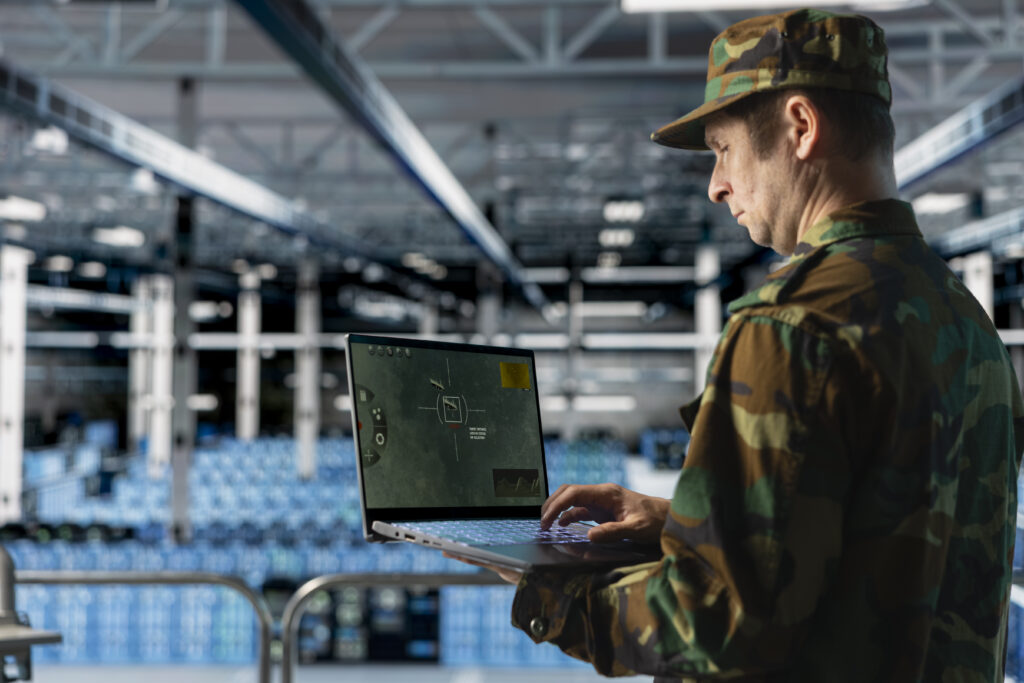
Embedded software for defense is a cornerstone of modern military technology, enabling real-time processing, mission-critical operations, and secure control of systems deployed across air, land, sea, and space. From avionics to missile guidance and tactical communications, embedded systems ensure that defense platforms operate with reliability, precision, and resilience under extreme conditions. What Is Embedded Software in the Defense Sector? Embedded software refers to specialized code that runs on dedicated hardware systems to perform specific functions. In defense, this software is tightly integrated with hardware platforms and often operates in real-time, ensuring fast and reliable responses in mission-critical environments. These systems must be optimized for performance, durability, and security, given the high stakes of military operations. Key Characteristics of Defense Embedded Software Unlike general-purpose software, embedded systems for defense must meet stringent requirements to function reliably under combat or operational stress. Here are some defining features: Real-Time Performance: Immediate processing and response times are critical, especially in control systems and weapons platforms. Low Power Consumption: Many defense systems operate in mobile or remote conditions where energy efficiency is vital. High Reliability: Software must perform flawlessly, even in harsh environments with extreme temperatures, shock, or electromagnetic interference. Long Lifecycle Support: Defense platforms often have long service lives, requiring software maintainability over decades. Security and Hardening: Embedded systems are prime targets for cyber threats, demanding robust encryption, authentication, and intrusion protection. Applications of Embedded Software in Defense Embedded software supports a wide array of systems within the defense sector. These applications often demand deterministic behavior, minimal latency, and absolute reliability. Missile and Weapons Guidance Real-time embedded software processes sensor inputs, calculates trajectories, and makes split-second decisions to adjust targeting and control. Accuracy and reaction time are mission-critical in these systems. Avionics and Flight Control Modern military aircraft rely heavily on embedded software to manage everything from navigation and engine control to threat detection and weapon systems. Flight-critical functions are handled by real-time operating systems (RTOS) to ensure system integrity. Ground Vehicles and Robotics Autonomous and semi-autonomous ground vehicles use embedded systems to control mobility, perception, and navigation. This includes AI-driven systems for obstacle detection and tactical decision-making in real time. Naval Defense Systems Ships and submarines use embedded software for sonar processing, radar systems, propulsion control, and integrated combat management. These platforms require coordination of complex subsystems operating simultaneously. Satellite and Space Systems Defense satellites and space-based systems rely on radiation-hardened embedded processors and software for communication, imaging, and orbital control. These systems must endure harsh environments and long-duration missions without human intervention. Operating Systems and Programming Languages Defense-grade embedded systems typically use real-time operating systems (RTOS) and secure coding practices to ensure performance and protection. Popular tools and languages include: RTOS: VxWorks, Integrity, QNX, and FreeRTOS are common in defense applications due to their determinism and safety certifications. Languages: C and C++ are dominant due to their efficiency and control over hardware. Ada is also widely used in avionics and aerospace for its reliability and structured design. Middleware: DDS (Data Distribution Service), MIL-STD-1553, and ARINC protocols are employed for standardized, secure communication. Development Challenges and Considerations Creating embedded software for defense applications involves overcoming several technical and logistical challenges. These include: Certification and Compliance: Systems must comply with rigorous standards such as DO-178C (avionics), ISO 26262 (functional safety), and MIL-STD-882 (system safety). System Integration: Embedded software must be seamlessly integrated with hardware, sensors, and higher-level command systems. Cybersecurity: Secure boot, memory protection, and data encryption are essential to guard against cyber warfare threats. Scalability: Systems must be designed to adapt and scale for evolving mission needs and technological upgrades. Role in Modern Warfare and Digital Battlefield As the nature of warfare evolves, so does the role of embedded software. Digital battlefield concepts rely heavily on interconnected, intelligent systems that share data and adapt in real time. Embedded systems are central to enabling these capabilities, including AI-assisted threat detection, real-time situational awareness, and electronic warfare. Artificial Intelligence Integration Embedded systems are increasingly incorporating AI to enable autonomous decision-making, pattern recognition, and sensor fusion. These enhancements empower unmanned systems, surveillance platforms, and cyber defense tools with greater autonomy and responsiveness. Edge Computing in the Field Deploying processing capabilities at the edge allows embedded systems to analyze data locally, reducing latency and reliance on centralized command centers. This is particularly useful in time-sensitive missions or in environments with limited connectivity. Future Trends in Embedded Defense Software The future of embedded software in defense is geared toward increased autonomy, enhanced security, and tighter integration with AI and machine learning. The use of open standards like FACE (Future Airborne Capability Environment) and MOSA (Modular Open Systems Approach) is becoming more prevalent, allowing for greater interoperability and faster upgrades. As threats grow more sophisticated, defense systems must be agile, adaptive, and secure — all of which depends on the capabilities of their embedded software.