
Factory Automation Software Solutions
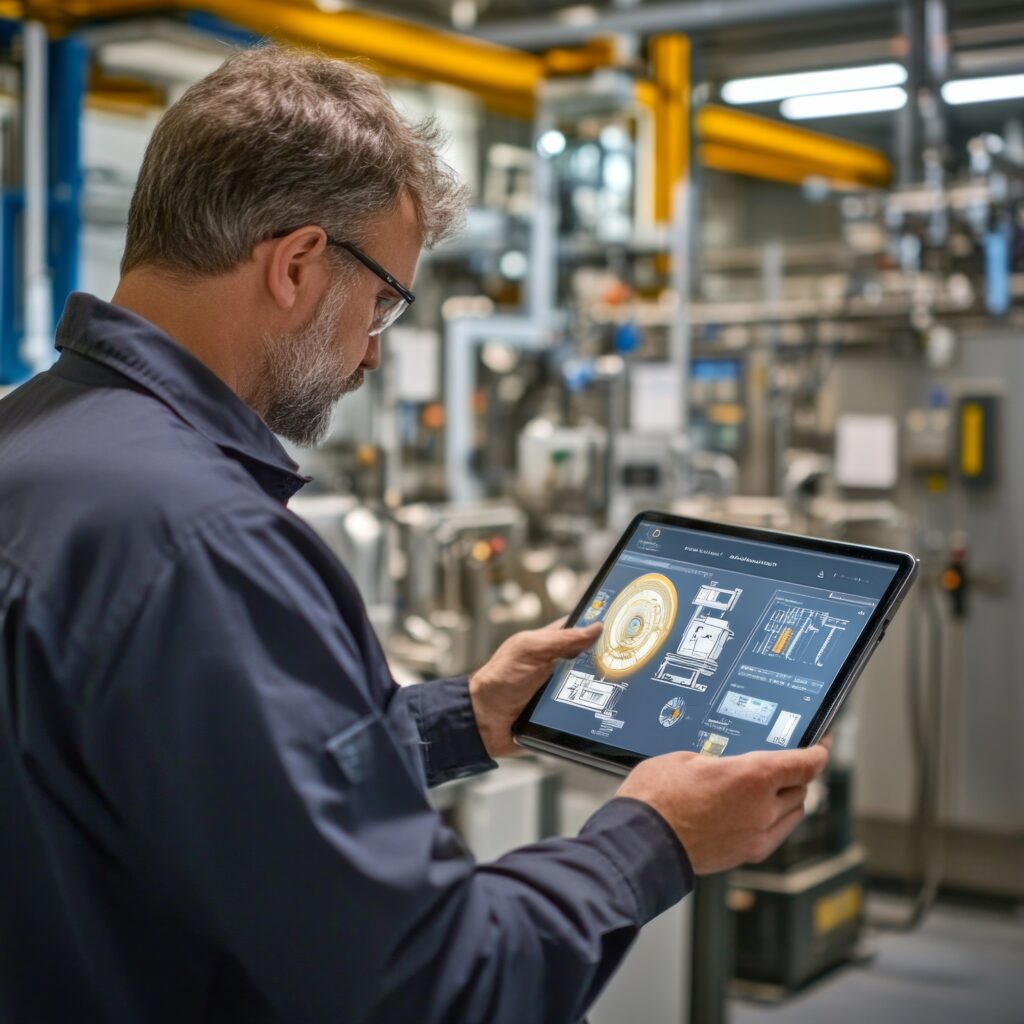
Factory automation software solutions are revolutionizing industrial production by integrating intelligent systems that streamline operations, reduce errors, and increase efficiency. These platforms play a vital role in transforming traditional factories into smart, data-driven manufacturing environments. With the rise of Industry 4.0, automation software is no longer a luxury but a necessity for competitive production. What Are Factory Automation Software Solutions? Factory automation software encompasses a range of digital tools and platforms that control, monitor, and optimize manufacturing processes. These solutions enable machines, systems, and humans to communicate and collaborate efficiently. They provide the backbone for automation, from machine-level control to enterprise-level integration. Core Functions and Features Modern automation software solutions offer a wide variety of features that enhance both operational and strategic aspects of production. Their flexibility allows customization based on specific industry needs and factory scale. Real-Time Monitoring: Track equipment status, production metrics, and process data live. Process Automation: Automate repetitive and manual tasks across the production line. Data Analytics: Generate actionable insights from historical and real-time data. Integration Capabilities: Seamlessly connect with ERP, MES, SCADA, and IoT systems. Remote Access and Control: Manage factory operations from anywhere with secure cloud-based interfaces. Types of Factory Automation Software Factory automation encompasses various software categories, each designed for different levels and functions within the production environment. Manufacturing Execution Systems (MES) MES software provides a real-time interface between the production floor and enterprise systems. It manages scheduling, quality control, traceability, and performance tracking, ensuring that manufacturing operations are efficient and compliant. Supervisory Control and Data Acquisition (SCADA) SCADA systems collect data from sensors and equipment, allowing operators to monitor and control manufacturing processes visually. These systems are essential for facilities that require high visibility and responsiveness in operations. Programmable Logic Controller (PLC) Software PLC programming tools are used to configure and manage industrial control systems. They offer low-level control of machinery and are essential for executing automated tasks with speed and precision. Human Machine Interface (HMI) Software HMI platforms provide visual interfaces for operators to interact with machines and systems. These interfaces improve usability and ensure safer and more intuitive machine operation. Benefits of Implementing Automation Software The implementation of factory automation software yields numerous strategic and operational advantages for manufacturers, from cost savings to improved output quality. Increased Productivity: Automation accelerates production cycles and minimizes downtime. Enhanced Quality Control: Automated systems maintain consistent quality with minimal variability. Cost Efficiency: Reduces labor costs, energy consumption, and waste. Operational Transparency: Provides clear visibility into each stage of the production process. Faster Decision-Making: Access to real-time data supports quicker and more informed decisions. Use Cases Across Industries Factory automation software is adaptable across various sectors, enhancing efficiency and output regardless of industry size or specialization. Automotive: Automation software orchestrates robotic assembly, quality checks, and logistics coordination. Electronics: High-precision control systems handle delicate components and complex assembly processes. Pharmaceuticals: Automation ensures compliance with regulatory standards through strict quality monitoring. Food and Beverage: Software manages processing, packaging, and sanitation operations efficiently. Textile: Controls automated looms, dyeing machines, and fabric inspection systems. Integration with Industry 4.0 Technologies Factory automation software is central to Industry 4.0, enabling smart factories through advanced technologies and interconnectivity. Internet of Things (IoT) IoT devices feed real-time data into automation systems, enhancing monitoring and predictive maintenance. This connectivity boosts productivity and minimizes unexpected downtime. Artificial Intelligence and Machine Learning AI-powered automation software can identify patterns, forecast equipment failures, and optimize production flows automatically. Machine learning algorithms help improve processes over time based on data-driven insights. Cloud Computing Cloud-based solutions allow scalable deployment and centralized data access. They support cross-facility integration and remote collaboration, essential for global operations. Challenges in Adoption While factory automation software provides significant benefits, its implementation can be challenging. Common issues include: High Initial Investment: Transitioning to automated systems requires upfront costs for software, hardware, and training. Legacy System Integration: Compatibility with existing equipment and systems can be complex. Workforce Readiness: Employees must be trained to work with and maintain new technologies. Data Security: As more systems become connected, cybersecurity risks increase and must be mitigated. Future Outlook for Factory Automation Software The evolution of factory automation software is accelerating, driven by technological innovation and global competition. Future solutions will emphasize greater autonomy, self-healing systems, and real-time decision-making capabilities. As factories become more adaptive and connected, software platforms will serve as the central nervous system of industrial operations, enabling unprecedented levels of efficiency and innovation.
Defense Simulation Software
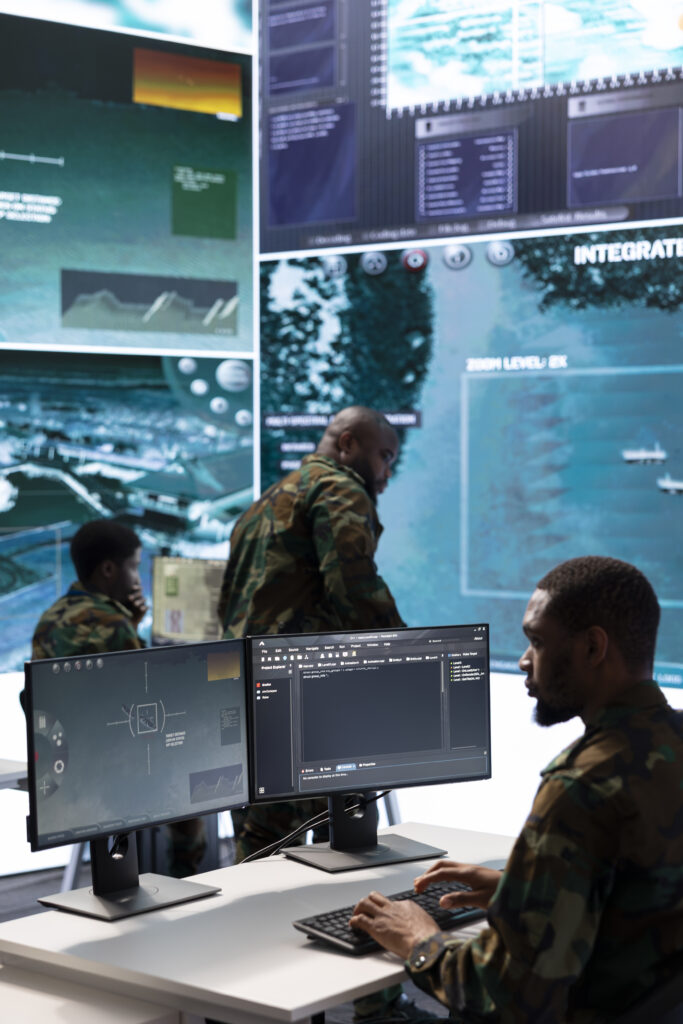
Defense simulation software has become a critical component of modern military strategy, allowing defense organizations to train personnel, test equipment, and evaluate scenarios in a virtual environment. These sophisticated programs replicate real-world combat and operational conditions, offering cost-effective, risk-free alternatives to live training and field exercises. What Is Defense Simulation Software? Defense simulation software refers to digital platforms designed to emulate military operations, tactics, and environments. These simulations can range from small-scale tactical engagements to large-scale strategic warfare involving land, sea, air, space, and cyber domains. The goal is to enhance preparedness, reduce operational risk, and support decision-making through realistic scenario modeling. Key Features and Capabilities Modern defense simulation tools come equipped with advanced features that enable comprehensive and immersive training experiences. These features are designed to replicate the complexity of real military missions while maintaining flexibility and scalability. Scenario Customization: Build specific combat or strategic scenarios tailored to mission goals or regional threats. Multi-Domain Simulation: Support for air, land, sea, cyber, and space-based operations. AI and Behavior Modeling: Simulate realistic adversary and civilian behaviors using artificial intelligence algorithms. Real-Time Data Processing: Integrate real-world data to provide up-to-date information during exercises. After-Action Review: Analyze performance metrics and decision-making outcomes post-simulation. Applications of Defense Simulation Software Defense simulation software serves various functions across military organizations. It is used not only for training but also for planning, procurement, and research. Below are key application areas: Military Training and Education Simulations help train soldiers, pilots, and commanders in realistic environments without risking human lives or resources. Virtual training environments allow personnel to practice tactical maneuvers, mission planning, and threat responses repeatedly. Strategic and Tactical Planning Defense planners use simulations to evaluate the outcomes of strategic decisions. By modeling the impact of various scenarios, such as equipment deployment or troop movement, they can make informed, data-driven decisions under pressure. Testing and Evaluation New systems and technologies, such as unmanned aerial vehicles (UAVs) or missile defense platforms, can be tested in simulated environments before real-world deployment. This approach minimizes risk and helps validate system performance under different conditions. Joint and Coalition Operations Simulations allow allied forces to train and operate together, regardless of geographic location. These tools support interoperability, communication, and unified command structures across multinational operations. Types of Defense Simulation Software The defense industry utilizes a wide variety of simulation platforms, each designed for specific operational or training needs. These include: Live, Virtual, and Constructive (LVC) Simulation LVC simulation combines real personnel (live), virtual environments, and computer-generated forces (constructive) into a single integrated system. This approach enables holistic training exercises that reflect real-world complexity. Wargaming Software Wargaming tools are used by military analysts and strategists to model conflict scenarios. These programs help evaluate potential outcomes, test responses, and refine doctrines under hypothetical or real geopolitical conditions. Flight and Vehicle Simulators High-fidelity simulators allow pilots, tank operators, and other personnel to train with virtual replicas of their real-world equipment. These platforms support muscle memory development and technical mastery in a risk-free setting. Technological Advancements As defense needs evolve, simulation software is incorporating cutting-edge technologies to meet new challenges. These innovations are enhancing realism, scalability, and adaptability in defense training and analysis. Artificial Intelligence and Machine Learning AI-driven simulations offer dynamic responses from virtual adversaries, adapting strategies based on user actions. Machine learning algorithms help personalize training and identify areas of improvement through continuous performance tracking. Cloud-Based Deployment Cloud computing enables global accessibility, real-time updates, and collaborative simulations across distributed teams. Cloud platforms reduce infrastructure costs while improving scalability and deployment speed. Augmented and Virtual Reality AR and VR technologies create fully immersive environments, particularly effective for infantry and special operations training. Trainees can interact with 3D environments and practice critical tasks in a simulated battlefield. Benefits for Military Organizations Defense simulation software offers a wide range of benefits that enhance both operational effectiveness and organizational efficiency: Cost Savings: Reduces the need for expensive live training exercises and equipment usage. Risk Mitigation: Allows personnel to make and learn from mistakes without real-world consequences. Scalability: Supports exercises ranging from individual skill training to full-scale joint operations. Accessibility: Enables global collaboration between military units and partners. Performance Evaluation: Offers detailed metrics and reporting for continuous learning and assessment. Challenges and Considerations While highly effective, implementing defense simulation software comes with challenges. These include high initial development costs, integration with existing military infrastructure, and the need for continuous updates to reflect evolving threats and technologies. Additionally, simulation accuracy and realism are vital—outdated or oversimplified models can lead to false assumptions and poor training outcomes. Future Outlook The role of simulation software in defense is expected to grow significantly in the coming years. As cyber warfare, autonomous systems, and hybrid threats become more prominent, simulation tools must adapt rapidly. Emerging technologies like quantum computing, edge AI, and advanced predictive modeling will further elevate simulation capabilities, making them indispensable assets for global defense strategies.
Industrial Automation Controllers
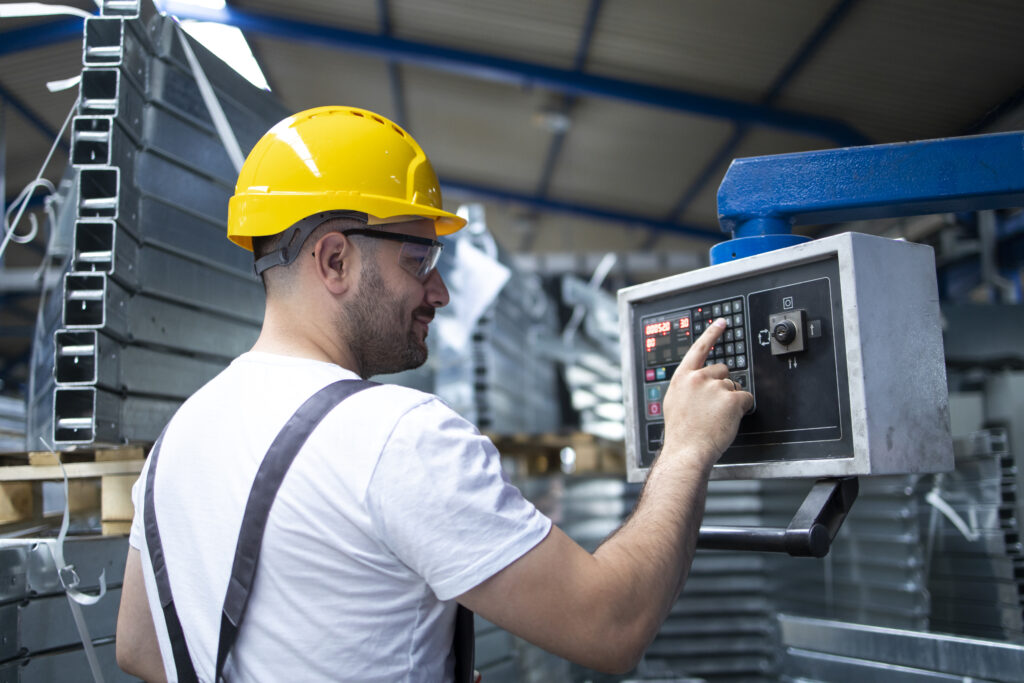
Industrial automation controllers are the backbone of modern industrial systems, enabling seamless control, monitoring, and optimization of processes across a wide range of sectors. From traditional manufacturing to smart factories, these controllers facilitate real-time data processing and precise machine coordination, drastically improving efficiency and productivity. What Are Industrial Automation Controllers? Industrial automation controllers are specialized electronic devices that manage and automate machinery and processes in industrial settings. These controllers receive input signals from sensors, analyze the data, and generate output commands to execute specific actions. They ensure consistent operation of machines, reduce human error, and contribute to streamlined production environments. Main Types of Industrial Automation Controllers There are several types of automation controllers, each designed for different kinds of industrial tasks. The selection depends on the complexity, scale, and requirements of the automation system. Programmable Logic Controllers (PLCs) PLCs are rugged, reliable controllers widely used in industries like automotive, packaging, and food processing. They perform logic-based operations, manage digital and analog inputs/outputs, and are known for their ease of programming and maintenance. Distributed Control Systems (DCS) DCS are used in large-scale industrial plants such as chemical production and oil refineries. Unlike PLCs, which are centralized, DCS architectures distribute control elements across the plant, enhancing reliability and minimizing system-wide failures. Industrial PCs (IPCs) Industrial PCs combine computing power with the robustness of industrial-grade hardware. They are ideal for data-heavy applications and often serve as HMIs or central control systems, supporting advanced analytics, visualization, and integration with enterprise software. Motion Controllers These are designed for high-precision movement control, typically used in robotics, CNC machines, and automated conveyor systems. Motion controllers manage parameters like speed, direction, and positioning with extreme accuracy. Key Applications of Automation Controllers Automation controllers are used across virtually every industrial domain. They play a pivotal role in ensuring smooth operations, improved productivity, and lower downtime in the following sectors: Automotive and assembly line automation Pharmaceutical and chemical manufacturing Food and beverage processing Renewable energy systems and smart grids Material handling and warehouse automation HVAC control in smart buildings Advantages of Using Automation Controllers Integrating automation controllers into industrial environments yields a wide array of benefits that support business goals, improve safety, and enhance efficiency. Improved productivity: Automated systems work continuously with minimal downtime, increasing output. Higher accuracy: Controllers execute tasks precisely, reducing waste and product variability. Operational safety: They help monitor conditions and trigger shutdowns during anomalies, protecting personnel and equipment. Reduced operational costs: Efficient resource usage and minimized errors translate to cost savings. Remote monitoring: Many modern controllers offer web-based interfaces or IoT integration for remote diagnostics and control. Integration with Industry 4.0 Industry 4.0 introduces a new paradigm of intelligent, connected manufacturing. Industrial controllers are at the forefront of this transformation, interfacing with IoT devices, edge computing platforms, and AI-powered software. They gather real-time data and contribute to smart decision-making, predictive maintenance, and automated optimization. IoT and Cloud Connectivity Modern controllers can connect to cloud platforms, enabling remote data access, analytics, and control. This connectivity allows manufacturers to scale operations, reduce latency in decision-making, and implement data-driven improvements. AI Integration and Predictive Control Advanced controllers now support machine learning algorithms to analyze patterns and predict system behavior. This predictive capability enables proactive interventions and continuous optimization of production processes. Challenges in Implementing Automation Controllers Despite their advantages, automation controllers can pose challenges during implementation. These include compatibility with legacy systems, the complexity of system integration, cybersecurity risks, and the need for skilled personnel for programming and maintenance. System Design Considerations When designing a system that involves automation controllers, it’s crucial to assess environmental conditions, power requirements, scalability, and software compatibility. A well-designed system ensures long-term reliability and easy future upgrades. The Future of Industrial Automation Controllers The future of automation controllers lies in greater intelligence, autonomy, and sustainability. As manufacturers strive to meet global demands for efficiency and environmental responsibility, controllers will evolve to support energy monitoring, waste reduction, and advanced robotics integration. With the rise of 5G and edge computing, controllers will become faster, more responsive, and more capable than ever before. Industrial automation controllers have revolutionized how industries operate by enhancing precision, safety, and efficiency. As the demands of modern production systems continue to grow, so too will the capabilities of these controllers. Whether it’s a small-scale factory or a global production network, the right automation controller is essential for achieving operational excellence in today’s competitive landscape.
Industrial Control Software
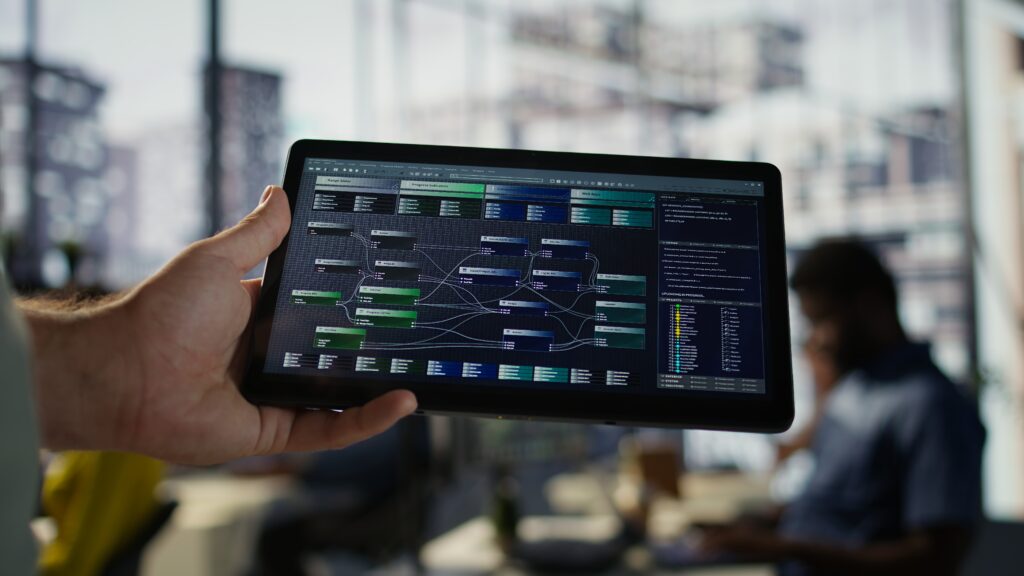
Industrial Control Software Industrial Control Software (ICS) is the technological backbone of modern manufacturing, energy, transportation, and infrastructure systems. It enables the automated control, monitoring, and optimization of industrial processes, ensuring efficiency, safety, and reliability in operations. From programmable logic controllers (PLCs) to Supervisory Control and Data Acquisition (SCADA) systems, industrial control software is the digital command center that drives Industry 4.0 transformation. Understanding Industrial Control Software Industrial Control Software refers to computer-based applications and platforms designed to interface with hardware systems like machinery, sensors, and actuators to manage industrial processes. It functions as the decision-making core that translates real-time data into actionable commands, adjusting operations for performance, quality, and safety. The software’s primary goal is to minimize manual intervention, increase operational uptime, and reduce production costs. Historical Evolution of Industrial Control Software The origins of industrial control software trace back to the mid-20th century with the introduction of basic relay-based control systems. In the 1970s, PLCs revolutionized industrial automation, replacing manual switchboards with programmable solutions. The 1980s and 1990s saw the integration of SCADA systems, enabling remote monitoring and centralized process control. With the advent of Industry 4.0, industrial control software now integrates artificial intelligence (AI), machine learning (ML), cloud computing, and Internet of Things (IoT) capabilities, creating smart factories and self-optimizing production environments. Core Components of Industrial Control Software Programmable Logic Controllers (PLCs): Serve as the primary hardware interface, executing control algorithms based on input data. Supervisory Control and Data Acquisition (SCADA): Provides centralized monitoring and control for geographically distributed assets. Distributed Control Systems (DCS): Specializes in managing complex, continuous processes in industries like oil and gas or chemical manufacturing. Human-Machine Interface (HMI): Allows operators to visualize processes and interact with control systems in real-time. Industrial IoT Integration: Connects sensors, actuators, and edge devices to enhance data collection and analytics. System Architecture Industrial control software operates within a layered architecture, typically including the field level, control level, supervisory level, and enterprise level. The field level involves sensors and actuators, while the control level uses PLCs or DCS for process management. The supervisory level integrates SCADA and HMI systems for operator interaction, and the enterprise level connects to Manufacturing Execution Systems (MES) and Enterprise Resource Planning (ERP) for strategic decision-making. Key Functionalities Real-time process monitoring and control Data acquisition and historical data logging Alarm management and event handling Predictive maintenance alerts Production scheduling and optimization Energy consumption tracking Integration with MES, ERP, and IoT platforms Applications Across Industries Industrial control software finds applications in numerous sectors: Manufacturing: Controls assembly lines, quality inspection systems, and robotic operations. Energy: Monitors power plants, renewable energy systems, and smart grids. Oil & Gas: Manages drilling operations, pipeline monitoring, and refining processes. Transportation: Oversees railway signaling, traffic management, and airport systems. Water & Wastewater: Controls treatment plants, distribution networks, and pumping stations. Benefits of Industrial Control Software Increased production efficiency through automation Enhanced product quality with real-time defect detection Improved safety via automated shutdown protocols Reduced downtime with predictive maintenance Optimized resource utilization and energy savings Scalability for future expansion and upgrades Challenges and Solutions While industrial control software offers substantial benefits, challenges remain: Cybersecurity Risks: ICS systems are vulnerable to malware and ransomware attacks. Solution: Implement multi-layered defense, network segmentation, and compliance with ISA/IEC 62443. Integration Complexity: Legacy systems may not easily interface with modern platforms. Solution: Use middleware and API gateways for interoperability. High Implementation Costs: Advanced ICS solutions require significant investment. Solution: Adopt phased implementation and ROI-based justification. Security Standards and Compliance Security is paramount in industrial control environments. Leading standards include: ISA/IEC 62443: Framework for securing ICS and SCADA systems. NIST Cybersecurity Framework: Risk-based approach to securing industrial networks. ISO 27001: Information security management standard. Integration with Industry 4.0 Industrial control software is central to Industry 4.0 adoption. It enables cyber-physical systems where physical machinery is tightly integrated with digital processes. Through IoT connectivity, cloud analytics, and AI algorithms, ICS platforms allow for self-diagnosing, self-correcting, and even self-configuring systems, making smart manufacturing a reality. Future Trends AI-Driven Process Optimization: Using machine learning to adapt control parameters in real-time. Edge Computing: Processing data closer to the source for lower latency. Digital Twins: Virtual models of physical assets for simulation and predictive analysis. Cloud-Based ICS: Scalable and remote-accessible platforms. Augmented Reality (AR) Interfaces: Enhancing operator training and maintenance tasks. Example Scenario In a modern automotive manufacturing plant, industrial control software integrates PLCs controlling robotic arms, SCADA systems monitoring welding quality, and an MES optimizing production scheduling. IoT sensors provide predictive maintenance alerts, while AI algorithms adjust operations to minimize energy usage. This synergy results in higher throughput, improved quality, and lower operational costs. Strategic Importance Adopting advanced industrial control software is no longer optional—it’s a competitive necessity. Businesses that leverage ICS effectively can respond faster to market changes, reduce operational risks, and meet stringent quality and safety standards. Moreover, the integration of ICS with enterprise-level systems provides complete visibility from the factory floor to the boardroom. Conclusion Industrial Control Software stands at the forefront of industrial digital transformation. Its role in automating, optimizing, and securing operations will only grow as technologies evolve. Organizations that invest in robust ICS solutions, align with global standards, and prepare for Industry 4.0 trends will position themselves as leaders in efficiency, quality, and innovation.
Manufacturing Execution Systems
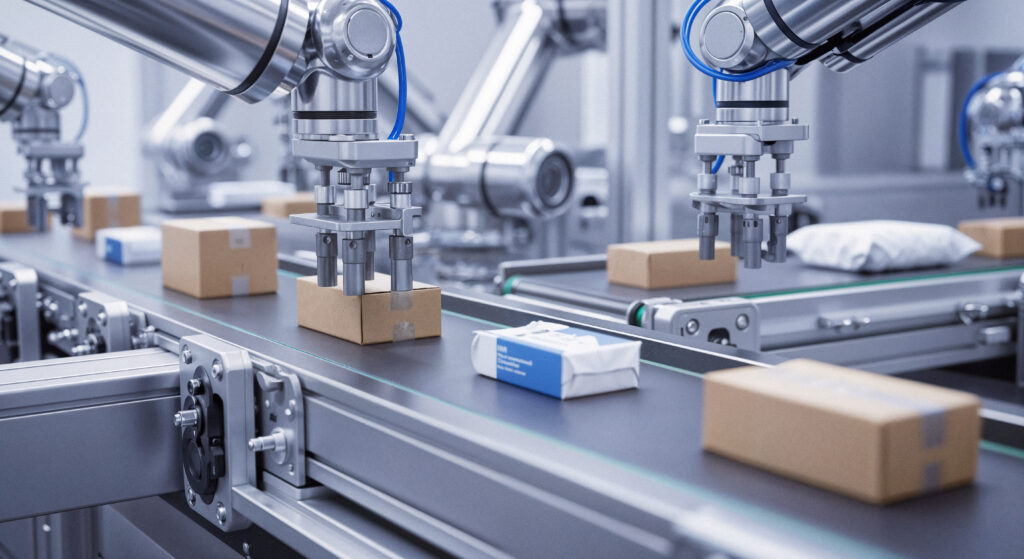
Manufacturing Execution Systems (MES) are critical software platforms that serve as the digital bridge between enterprise-level business planning and the operational control of manufacturing processes. MES enables real-time monitoring, control, and optimization of production activities, ensuring that products are manufactured efficiently, to specification, and on schedule. In the era of Industry 4.0, MES has evolved into a central hub for integrating automation, data analytics, and enterprise applications, playing a vital role in the development of smart factories and digital manufacturing strategies. Definition and Core Purpose An MES is a comprehensive software solution that tracks and documents the transformation of raw materials into finished goods. It operates in real time to control multiple variables—machines, human resources, materials, and quality checks—within a manufacturing facility. The main goal is to ensure the effective execution of manufacturing operations, improve production output, reduce lead times, and guarantee consistent product quality. Historical Evolution of MES The concept of MES emerged in the late 1980s as manufacturing environments became more complex and data-driven. Early MES platforms were designed to digitize shop floor reporting and replace manual, paper-based systems. In the 1990s, as industrial automation and computer networking advanced, MES became more sophisticated, incorporating real-time data collection from programmable logic controllers (PLCs) and SCADA systems. Today, modern MES integrates with IoT devices, machine learning models, and cloud platforms to provide predictive insights, adaptive scheduling, and seamless supply chain coordination. Core Functions of MES Production Scheduling: MES dynamically schedules work orders, balancing production capacity, machine availability, and delivery deadlines. Resource Management: Tracks and allocates human resources, equipment, and tools in real time. Quality Management: Performs in-process quality inspections, alerts operators to deviations, and logs all test results for compliance purposes. Performance Analysis: Monitors KPIs such as Overall Equipment Effectiveness (OEE), cycle time, and scrap rate. Traceability and Genealogy: Records the full production history of each product, including material sources, process steps, and operator actions. Inventory Control: Automatically updates inventory levels of raw materials, work-in-progress (WIP), and finished goods. Data Collection: Interfaces with sensors, PLCs, and other automation devices to capture operational data in real time. Maintenance Management: Supports preventive and predictive maintenance workflows based on equipment usage and performance trends. MES Architecture Typical MES architecture is structured in multiple layers to ensure seamless interaction between enterprise planning and shop floor control: Data Acquisition Layer: Gathers data from machines, sensors, and operators using industrial protocols such as OPC UA, Modbus, or EtherNet/IP. Processing Layer: Applies business rules, schedules production, and executes workflows based on incoming data. Application Layer: Presents dashboards, analytics, and control panels to supervisors, managers, and operators. Integration Layer: Interfaces with ERP (Enterprise Resource Planning), QMS (Quality Management System), SCM (Supply Chain Management), and CMMS (Computerized Maintenance Management System). Key Industry Applications Automotive: MES orchestrates assembly line operations, manages just-in-time component delivery, and ensures traceability for recalls. Pharmaceuticals: Tracks batch production to comply with FDA and GMP standards, including electronic batch records (EBR). Food and Beverage: Ensures product safety by monitoring critical control points (HACCP) and batch genealogy. Electronics: Manages PCB assembly, component traceability, and high-mix, low-volume production. Metal Fabrication: Tracks CNC operations, tool wear, and production sequencing. Benefits of Implementing MES Real-Time Visibility: Provides immediate insight into production status, bottlenecks, and performance trends. Improved Productivity: Optimizes workflows, reduces idle time, and increases throughput. Enhanced Quality Control: Detects deviations instantly and triggers corrective actions. Regulatory Compliance: Generates accurate audit trails for industry regulations. Reduced Waste: Improves resource utilization and minimizes rework. Agility: Allows quick adjustments to production in response to market or supply chain changes. Challenges in MES Implementation High Initial Costs: Investment in software, hardware, and integration can be significant. Integration with Legacy Systems: Older equipment may lack modern communication interfaces. Change Management: Staff may resist new workflows without adequate training. Data Overload: Without proper analytics, massive data volumes can overwhelm teams. To address these challenges, companies often adopt phased implementation, pilot projects, and hybrid MES solutions that combine on-premises and cloud components. Security Considerations MES platforms handle sensitive production data and often connect to enterprise networks, making cybersecurity a priority: Implement role-based access control (RBAC) to limit user permissions. Encrypt data in transit and at rest using industry-standard protocols. Segment networks to isolate MES from external threats. Conduct regular vulnerability assessments and apply patches promptly. Standards and Compliance MES design and deployment are guided by international standards such as: ISA-95: Framework for integrating enterprise and control systems. ISO 9001: Quality management systems requirements. IEC 62443: Industrial automation and control systems security. MES in the Context of Industry 4.0 Industry 4.0 has transformed MES from a production control tool into a central orchestrator of smart manufacturing. Key trends include: IoT Integration: MES collects real-time data from connected devices for granular monitoring. Artificial Intelligence: Predictive analytics enable proactive decision-making and optimized scheduling. Edge Computing: Localized data processing reduces latency and improves responsiveness. Cloud MES: Offers scalability, remote access, and reduced infrastructure costs. Digital Twins: Virtual models simulate production processes for testing and optimization. Example Use Case In an automotive plant, MES integrates with ERP to receive orders, schedules assembly lines in real time based on component availability, tracks each vehicle’s build status, and captures quality inspection results. If a defect is detected, MES identifies all affected units and halts the relevant production steps, preventing defective products from advancing further in the process. Future Outlook The future of MES lies in further integration with AI, machine learning, and autonomous production systems. MES will increasingly serve as the command center for fully connected factories, capable of self-adjusting production schedules, predicting failures before they occur, and optimizing resource use across global operations. Manufacturing Execution Systems are indispensable to modern manufacturing operations. By providing real-time visibility, optimizing processes, ensuring quality, and enabling data-driven decision-making, MES plays a central role in achieving operational excellence. As technology evolves, MES will become even more intelligent, interconnected, and essential for manufacturers seeking to thrive in competitive, fast-changing markets.